














Superfood is a trendy word that is often attached to many foods, with the connotation that they can do amazing things for your health. While superfoods definitely don’t have superpowers, they do usually have a pretty jam-packed nutrition profile.
According to the Merriam-Webster Dictionary, a superfood is “a food that is rich in compounds (such as antioxidants, fiber, or fatty acids) that are considered beneficial to a person’s health.”
Numerous superfoods tend to come with a large price tag, which makes the idea of including these nutrient-packed foods seem out of reach for many people. However, if you are focused on including more affordable superfoods in your diet while remaining kind to your wallet, read on to learn about the most wallet-friendly superfoods in the market.
- Peanut Butter
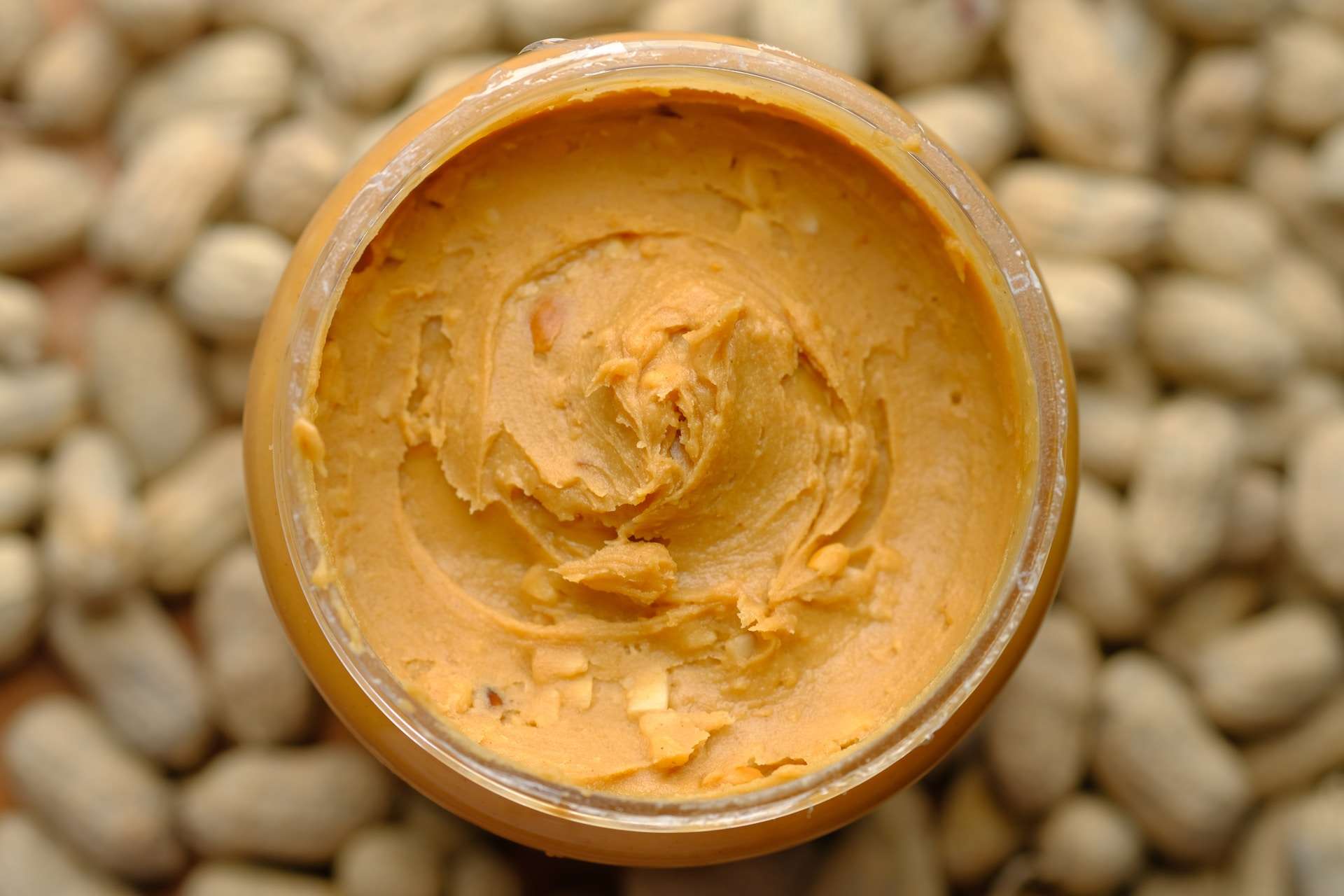
Peanut butter, when consumed in moderation, is rich in protein, heart-healthy fats and a numerous nutrients like vitamin E and magnesium. Just make sure to choose peanut butter choices that are low in added salt and free from added sugars.
Peanut butter is economical and nutritious, making it a cost-effective choice to stock your pantry. A jar of peanut butter can yield multiple servings, perfect for smoothies, a quick sandwich, or a protein-packed addition to oats as well as other dishes. The versatile nature and long shelf life of peanut butter make it an option that is kind to your wallet and is a nutrient-dense food that won’t break the bank.
Peanut butter is available for as little as 10 cents per ounce.
- Pulses
Pulses are the edible seeds of legumes, including beans, lentils, dried beans, and chickpeas. They provide key nutrients that many Americans under-consume including magnesium, zinc and potassium, and are plant-based proteins.
In particular, chickpeas have significant amounts of all of the essential amino acids, minus the sulfur-containing amino acids, which can be complemented by adding some cereals to the daily diet. Some data suggests chickpea consumption can be linked to a reduced risk of some conditions, including type 2 diabetes, cardiovascular disease, and some cancers.
A 15.5-ounce can of chickpeas can cost about 80 cents a can.
- Eggs
Eggs are a powerhouse of protein, offering 6 grams (g) of protein per serving. However, eggs aren’t only a source of the macronutrient, known to build muscle.
Eggs, in particular, the yolks, are laden with nutrients that help support your health in several ways, including iodine, lutein, and choline. And if you are focused on heart health, celebrate knowing that eggs are no longer seen as a risk factor for cardiovascular disease and high cholesterol.
The price of eggs can vary based on specific factors, but a dozen eggs can be found for under $2.
- Mushrooms
Mushrooms are a low-cost addition to dishes to help stretch your money without compromising on taste. Since mushrooms have a meaty consistency and give off an umami taste, it can be a surprising “sub” for more costly meats. Try swapping half of your ground beef with mushrooms chopped up for a “blend” that helps boost the nutritional value of burgers, meat sauces and more.
Mushrooms are a nutritional powerhouse, because they are a powerful source of a plethora of nutrients, including niacin and selenium. When mushrooms are exposed to UV light, they become the only produce option that is a source of Vitamin D.
One of the most notable features of mushrooms is that they provide a unique antioxidant called ergothioneine (ergo). One study demonstrated that ergo blood levels in humans decrease with age and dip faster in those with cognitive impairment. Additional data showed ergo levels were lower in individuals with Parkinson’s disease vs. those that don’t have the disease.
One 8-ounce package of button mushrooms can cost as little as $2.
- Watercress
Watercress has been deemed the world’s healthiest vegetable by a Centers of Disease Control and Prevention (CDC) study. The aquatic vegetable earned a perfect score of 100% on their scale of powerhouse vegetables and fruit.
Watercress has some key features that are worth mentioning, including that it contains phenethyl isothiocyanate (PEITC). The compound has been shown to prevent progression of certain specific tumors and prevent the development of certain cancers. Watercress also contains an impressive amount of Vitamin Km which can help support your body’s ability to clot blood and bone health.
One 4-ounce package of watercress can be purchased for a minimal $3.
- Oranges
Orange juice is known to be a high source of vitamin C. However, it is also a source of folate, thiamin, and a plant compound called hesperidin,
Hesperidin intake has been linked to a lowering of blood pressure, according to the results of a study published in the European Journal of Nutrition.
The fiber content contained in oranges can also help decrease belly fat and reduce cholesterol, or visceral fat. Oranges are packed with flavonoids, a compound with antioxidant properties. A 2017 published study found that high intakes of flavonoids can help reduce fat mass.
Oranges are economical throughout the year, especially when they are in season. Navel orange season is December through March.
- Pasta
Pasta is a source of refined carbohydrate that, because of its protein structure, results in a lower blood glucose response and digests more slowly when compared with foods like potato, rice, or white bread. And it’s made with only two ingredients: water and enriched durum semolina flour. Because of this, it has a lower glycemic index when compared with different sources of refined carbohydrates.
Although many people think of pasta as “just a carb,” it is actually more than that with a substantial 8 g of protein per cup.
Pasta is economical and can be found for as little as 6 cents an ounce.
- Pork
Lean pork is nutritious and affordable. In fact, recent research shows an optimization model of the USDA Thrifty Food Plan selected lean, fresh pork to arrive at the lowest-cost healthy diet plan that met all requirements for nutrients, respected existing eating habits and followed dietary guidance, while reducing weekly food costs. Researchers concluded fresh pork is an affordable protein in the USDA Thrifty Food Plan.
Fresh lean pork helps Americans to add more under-consumed food groups (like beans, whole grains and vegetables) and nutrients (like iron, potassium, and choline) to their eating pattern. Those characteristics make in an ultimate carrier food for good health. According to the Dietary Guidelines for Americans, when carrier food is in the bowl or on the plate, it could help Americans eat more of the nutrients and food groups many need more of for better health.
For example, recent analyses confirm consumers of all types of pork, including lean, fresh pork, from children to older adults, had higher intakes of potassium, sodium, copper, selenium, thiamine, vitamin B6, zinc, niacin, and choline, and a higher proportion met daily recommendations for potassium, copper, zinc, choline and thiamin compared to non-consumers.
Ground pork can be purchased for as little as $4 at most retailers.
- Sorghum
If you aren’t familiar, sorghum is an ancient grain that is one of the top five crops of cereal in the world. Whole grain sorghum is an outstanding source of 12 essential nutrients, including fiber, protein, iron, and Vitamin B6, that adds a hearty, nutty flavor to recipes. The grain is rich in bioactive phenolic compounds known to provide several health benefits, including anti-inflammatory, antioxidant, and anti-diabetic properties.
Whole grain sorghum can be added to cooked dishes, salads, snacks, and more to meet the daily servings of whole grains. In addition to having a powerful nutritional profile, sorghum is naturally gluten-free and safe for people who suffer from gluten intolerance or celiac disease.
A 24-ounce bag of sorghum costs about $4.
- Prunes
Prunes are a dried fruit that can be a crucial part of a budget-friendly, superfood-packed diet for several reasons. Data published in the American Journal of Clinical Nutrition showed that postmenopausal women who consumed 50 g of prunes each day for six months (around 4-6 prunes) and prevented the loss of the mineral density of hip bones.
One reason prunes are an appealing superfood is that they have a long six-month shelf life, which is far longer than the shelf life of fresh plums. Having a superfood with a longer shelf life can help reduce food waste and save some serious cash as well.
Prunes can be purchased for less than 40 cents per ounce.
- Carrots
Crunchy, sweet carrots come with a low-price tag and provide a boost of nutrition and flavor. Carrots contain nutrients that support heart health, eye health, and brain health. Carrots cqan abe enjoyed in several ways, from being added to soups and stews to enjoying raw on their own.
Carrots are available for as low as 6 cents per ounce.
- Canned Tuna
Fresh fish can be pricey, even though they are packed with beneficial nutrients. One solution is — canned tuna.
Canned tuna is a great source of lean protein, packing in a substantial amount per serving. In addition, canned tuna is rich in crucial nutrients like omega-3 fatty acids, which are critical players in heart health. In addition, canned tuna offers a good dose of essential vitamins including vitamins B12 and D. However, canned tuna can be high in mercury. It should therefore be consumed in moderation.
Chunk light tuna can be bought for under $1 at some retailers.






