














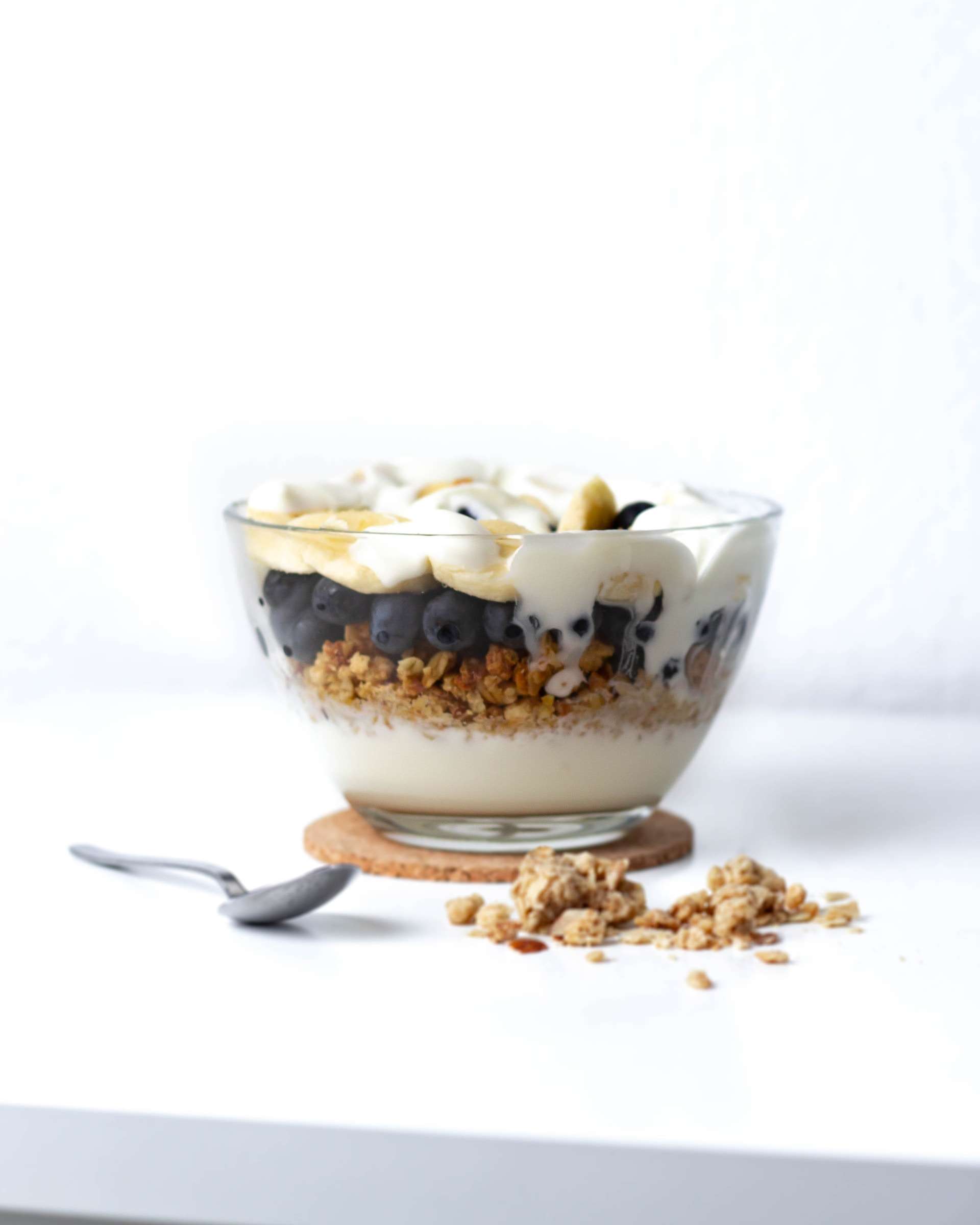
Probiotics are far from being a passing trend. The presence of beneficial bacteria in the gut has been closely linked to a bolstered immune system, improved digestion, reduced inflammation, and a myriad of other health advantages.
Probiotics play a pivotal role in nurturing a well-functioning gut and maintaining an ideal weight.
Probiotics encompass live microorganisms that serve as nourishment for the beneficial bacteria residing in the gut. These microorganisms combat harmful bacteria within the body, thus fostering an environment conducive to a robust immune system, optimal intestinal performance, and various other physiological functions.
Remarkably, there’s encouraging news about probiotics:
They also hinder the absorption of calories from fats by intercepting the process in the intestines, and they disrupt the function of bile salts, which the liver generates to facilitate fat digestion. This disruption of bile salts impedes fat absorption, leading to the expulsion of fat through waste elimination.
Though relying solely on probiotics might not constitute a solitary strategy for weight loss, it could indeed become one of the recommendations that medical professionals offer to their patients. In conjunction with regular physical activity and a well-balanced nutritious diet, probiotics might emerge as a significant factor.
While yogurt and probiotic supplements might be the most recognized forms of probiotic intake, numerous other foods also naturally supply the essential friendly bacteria vital for sustaining good health.
Here are seven probiotic-rich foods that should be incorporated into your diet:
- Sauerkraut
Crafted from fermented cabbage and an assortment of vegetables, sauerkraut contains beneficial live cultures in addition to vitamins B, A, E, and C. It’s a boon for your gut health. Originally developed to preserve food and treat gastrointestinal ailments, sauerkraut can be either homemade or acquired in its pure, organic form from stores. Be cautious of canned variants, as pasteurization diminishes their benefits. - Kefir
This tangy dairy drink harbors multiple strains of probiotic bacteria along with 11 grams of protein per cup. It boasts an array of health benefits, some of which we’ve previously discussed. The added advantage is that you can create kefir at home by procuring kefir grains online or from your local health food establishment. Enjoy it in smoothies, pair it with oatmeal, or savor it with a touch of honey. - Pickles
Surprisingly, those delightful pickle toppings can be a potent source of probiotics. Opt for fermented pickles rather than vinegar-brined ones, as the former host a higher concentration of beneficial bacteria. Ensure your pickles are devoid of artificial colors, chemicals, or added sugars. - Greek Yogurt
As previously noted, yogurt is among the most popular and budget-friendly sources of probiotics. Although kefir might contain a broader spectrum of beneficial bacterial strains, many individuals find yogurt more appealing in terms of taste. Prioritize organic yogurt with just two ingredients: milk and live yogurt cultures. Alternatively, consider making your own yogurt. - Kimchi
Hailing from Korea like sauerkraut’s sibling, kimchi offers both probiotic content and rich nutrients. Traditional Asian kimchi often features beneficial spices like garlic and ginger, as well as vegetables such as scallions, further enhancing its health benefits. Opt for pure varieties made from whole ingredients, steering clear of additives. - Miso
This salty and tangy paste is a classic Japanese seasoning produced by fermenting soybeans with salt and kojikin—a type of fungus. It’s a versatile addition to soups and stews, commonly found in traditional Japanese miso soup. When purchasing miso, prioritize quality and avoid additives. It’s typically found in the refrigerated section of grocery or health food stores. - Kombucha
A traditional Chinese fermented tea, kombucha has been consumed for centuries in East Asia. Beyond its historical significance, it’s believed to contribute to weight loss, elevate energy levels, and promote overall well-being. Kombucha is created by fermenting sweetened black tea with yeast and bacteria. You can find it in the refrigerated section of most grocery stores, with organic options being preferable. Alternatively, you can procure a kombucha kit and brew it at home.
Incorporating these foods into your diet can have a positive impact on digestion, but it’s advisable to introduce them gradually and seek guidance from a healthcare professional before making significant dietary changes.






