














Outbreaks of RSV, flu, and even foodborne illness outbreaks during the pandemic lowered, but since 2022, foodborne germs have been making a comeback.
Infections caused by E.coli, Listeria, and Salmonella are back to pre-pandemic levels, according to a Centers for Disease Control and Prevention (CDC) report.
There are also increasing cases of infection from Vibrio, a “flesh-eating” bacteria found in raw seafood; Cyclospora, a parasite often linked to imported produce; and Yersinia, a bacteria found in undercooked pork.
The CDC report is based on data from only ten states but represents national trends.
As we try to understand which foods are the biggest culprits behind illness, we can look at the CDC’s National Outbreak Reporting System (NORS), which was launched in 2009 to integrate data that was collected through the Waterborne Disease and the Foodborne Disease Outbreak Surveillance System, and Outbreak Surveillance System. Much of the data is disorganized and incomplete, highlighting the challenges in systemically tackling food safety.
Contamination of the food supply chain — from agricultural water to poultry slaughter — is responsible for many recent foodborne outbreaks. As a consumer, you can protect yourself by learning how to prepare food safely and are prone to infectious bacteria.
Which foods cause the most outbreaks of foodborne illness?
According to CDC data, potato salad is one summer dish particularly prone to foodborne bacteria. People often blame the issue on mayonnaise or the eggs it contains, but that is a myth.
“It’s not the mayonnaise. Mayonnaise is actually a little bit acidic and a little bit protective,” said a professor of nutrition sciences specializing in food safety at Drexel University, Jennifer Quinlan, Ph.D.
Salad ingredients are usually handled directly through tossing or chopping, a significant way of transmitting foodborne bacteria.
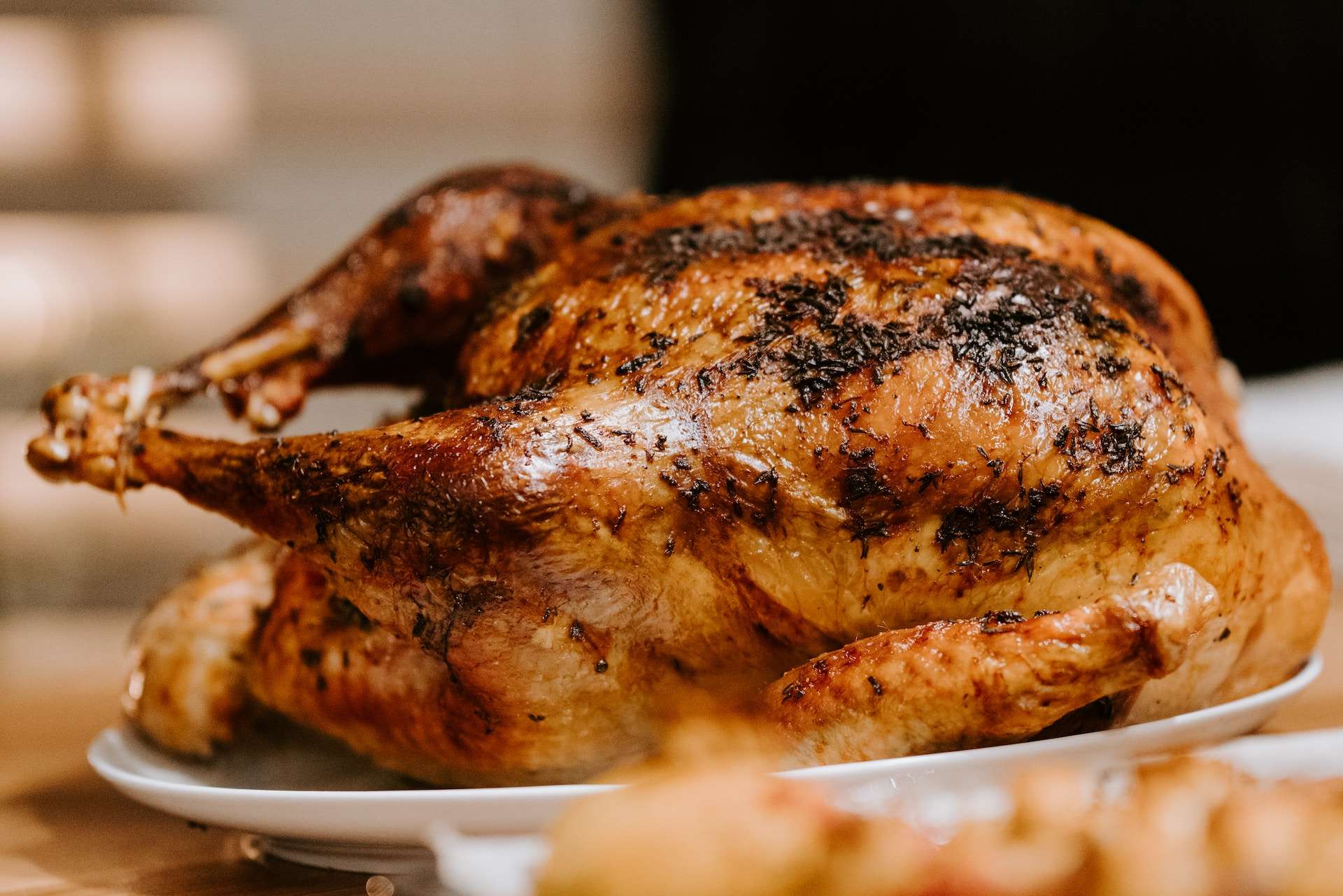
Although potato salad has caused over 5,000 illnesses over the past few decades, it’s not the most germy dish. Whether baked, grilled, chilled, or barbecued, chicken is the single food item that commits the most offense to the stomach. At least 5% of the cases of foodborne illness recorded are related to chicken.
Chicken is a significant source of Salmonella, a bacteria that can cause a gastrointestinal infection, with symptoms including fever, abdominal cramps, and diarrhea. The CDC estimated that one in every 25 packages of chicken at the grocery stores is contaminated with Salmonella.
Campylobacter, a germ frequently linked to undercooked or raw chicken, is a leading cause of food poisoning and bacterial diarrheal disease. However, most cases are preventable with hand washing and proper food handling.
What are the most common foodborne bacteria?
Norovirus and Salmonella are the two most common sources of foodborne illnesses in the U.S. Over 43% of cases are attributed to some type of norovirus. At the same time, almost one quarter is caused by Salmonella, according to data from the CDC.
Norovirus
Salads comprise a substantial number of the foods that carry norovirus, a fecal-oral virus that dirty hands can transmit. For salads that contain lettuce, the vegetable could have been contaminated during harvest, explained Quinlan.
“If salads aren’t washed appropriately, or if they’re handled by a sick food handler, they can become transmitters for norovirus,” said Quinlan. “This risk can be exacerbated by fields often being difficult places to maintain great sanitary conditions.”
E. Coli
Like Salmonella in chickens, Escherichia coli (E. coli) is another difficult bacteria to remove from cows.
Ground beef is the most common food associated with Shiga toxin-producing E. coli, responsible for many foodborne outbreaks.
Quinlan said E. coli is also present in various wild animals that live near fields where other foods are also being grown. Vegetables like spinach and lettuce are grown in the soil, which can be exposed to water contamination or animal feces.
Listeria
Another foodborne bacteria, Listeria, is less common than E. coli and Salmonella. However, it sticks out in the CDC data because of its severity. Listeria illnesses had a hospitalization and death rate over four times as high as the next highest source of Shiga toxin-producing E. coli infections.
Listeria is a dangerous bacteria primarily because of its unique hardiness. Quinlan says it is the only pathogen that can grow at refrigerated temperatures. This means that once a food has been infected, even the storage of it at below 40 degrees Fahrenheit won’t eliminate the risk of transferal.
Melons are some of the most typical foods that carry Listeria because they’re grown in the ground. Listeria can also spread between infected foods through utensil use, so a knife used to cut several melons can easily transmit the bacteria.
One of the deadliest foodborne outbreaks in the United States was a Listeria outbreak in 2011 that was traced back to a cantaloupe and killed 33 people.
Salmonella
As opposed to the norovirus, risks of Salmonella are concentrated meats, specifically pork, poultry, and eggs. Salmonella is next to impossible to eradicate completely from the chicken supply. Once a bird is infected, removing the bacteria from it is challenging, said Quinlan.
Both the egg yolk and chicken meat can contain Salmonella. “The latest data shows that Salmonella might be present in about one in 20,000 eggs,” added Quinlan.
Four simple measures for food safety
You should take four steps to lower the risk of getting sick from or transmitting foodborne illnesses: Clean, separate, cook, and chill.
Cleaning
Cleaning should include washing hands thoroughly with soap and water for at least 20 seconds before, during, and after preparing food or eating. You should also rinse vegetables and fruits under running water before preparing or eating them.
To keep your dishware and kitchen clean, wash dishes, utensils, cutting boards, and exposed countertops with hot soapy water after using.
However, cleaning doesn’t include washing raw meats like fish, beef, or poultry. Although some people tend to wash chicken purchased in a store before cooking, Quinlan said the practice isn’t only ineffective and increases the risk of foodborne illness.
Quinlan explained that washing ingredients like raw chicken won’t remove most common bacteria like Salmonella but would instead allow the bacteria to travel to other surfaces or foods in the kitchen through aerosolization.
What about eating out?
About 64% of all foodborne illness outbreaks were attributed to either some type of caterer, restaurant, or banquet facility, according to data from the CDC. Although it is much harder to control food safety factors in these settings, you can pay attention to any obvious food safety hazards or an establishment’s food safety rating. Notice if there are any indications of foods left out for too long at room temperature or an unsanitary bathroom.
The best practice is to separate cooked and raw foods when preparing them so you can cut the risk of cross-contamination.
This is especially prevalent when handling seafood, raw meat, poultry, and eggs. Preparing these types of foods on separate cutting boards and storing the raw foods in different containers can further decrease the chances of cross-contamination of foodborne illness.
Whole cuts of veal, fish, beef, pork, and lamb should be cooked to a minimum of 145 degrees Fahrenheit, while ground meats like pork and beef should be cooked to 160 degrees Fahrenheit. You can use a meat thermometer to ensure you’re cooking to the correct temperature.
You may prefer runny eggs, but eggs are safer when thoroughly cooked, said Quinlan.
If you have leftovers, they should be refrigerated at a minimum of 40 degrees Fahrenheit or frozen at 0 degrees Fahrenheit or below. Bacteria can rapidly germinate at temperatures above 40 degrees Fahrenheit, so all perishable food should be stored within two hours of preparation.
Quinlan said that broken or malfunctioning refrigerators could also lead to foodborne illness infections. You can use an additional or built-in thermometer inside your fridge to ensure it is working correctly.
If you are generally a healthy person, getting infected with. Foodborne illness might be days of diarrhea and an upset stomach. Younger children, older adults, and those with a weakened immune system are at acute risk of developing some of the most severe symptoms that can result in hospitalization or death.
Although there are several illnesses you can contract from various types of food, the methods to keep yourself safe stay the same: Clean carefully and thoroughly, separate completely, cook completely, and chill immediately.
Methodology
Foodborne illness data is only kept for outbreaks reported to the CDC’s National Outbreak Reporting System (NORS). NORS data available for foodborne illnesses is only between 1998 and 2021 at the time of writing.
Hospitalizations, illnesses, and deaths with several foods and/or etiology were entirely attributed to each etiology and food. Several general food ingredients with numerous variations, like “barbecue chicken,” “baked chicken,” “grilled chicken,” etc., were treated separately in data visualizations.
Outbreaks with “multiple,” “unknown,” or missing foods listed, as well as missing or “other” etiologies, were excluded. Etiologies and foods with fewer than 384 illnesses were less than the minimum sample size and excluded.






