














According to new research, some ultra-processed foods (UPFs) can deliver the same effect as drugs like alcohol and nicotine, with experts now recommending that many UPF products be labeled “addictive.”
An international analysis of 281 studies from 36 countries, published by The British Medical Journal (BMJ), found the way some people eat UPFs could “meet the criteria for diagnosis of substance use disorder.”
The international research team also found that “ultra-processed food addiction” occurs in about one in seven adults and one in eight children and causes behaviors including intense cravings, withdrawal symptoms, and continued consumption despite binge eating, obesity, and additional health problems.
Despite the latest research, UPF is an area plagued by confusion and contradictions, with many of us wondering what constitutes a UPF and what is left to eat that won’t make us unwell or fat.
Recently, a research team and government advisers suggested some UPFs have been demonized unfairly and can benefit you. Science Media Center organized a briefing and said it was often the sugar, fat, and salt content that was harmful rather than the processing and that consumers should consider each food on its own merits.
The scientists argued that breakfast cereals and bread, often fortified with minerals and vitamins, can play a part in a healthy diet. They also warned that many poorer families didn’t have the luxury of being able to buy “artisanal bread.”
Chief scientific adviser at the Food Standards Agency, Professor Robin May, said, “It’s really important that we don’t throw the baby out with the bath water.”
Most scientists agree that the worst types of UPF are mostly to blame for our skyrocketing obesity rates and that the issue with so many UPFs is that they can be impossible to resist.
“It’s high-fat, high-salt, and high-sugar, but these ingredients have been combined into industrial products with exotic additives, which can’t be described as food. They’re ultra-processed foods, a set of edible substances that are addictive for many and which are now linked to weight gain, early death, and, yes — depression,” said Dr. van Tulleken.
So, which foods can be part of a healthy diet, and which should remain on the “naughty list?”
What is the definition of ultra-processed food?
UPFs are convenient, cheap, and generally delicious and account for about 60 percent of the diet in the United Kingdom.
Almost all food is processed in some way to make it tasty and digestible or delay spoiling. Think flour (that is made of sifted and ground grains), pasta (produced by mixing water, flour, and sometimes eggs), and canned tomatoes (sealed in a can using heat).
However, UPFs are different. Using the Nova classifying system, they are divided into four groups according to how extensively they have been processed, and range from group 1 — foods that are minimally processed with no added oils, salt, sugar, fats, or other additives, to group 4 — ultra-processed foods formulated in factories, frequently using several processes.
Scientists worldwide now use the system to study links between disease and eating habits, and evidence is growing that UPFs can seriously damage our health.
Typical examples include breakfast cereals and cereal bars, cookies and cakes, pizzas, savory and sweet snacks, baked goods like sausage rolls, bread and pastries, chips, ready meals, yogurt drinks and flavored yogurt, milk drinks, fruit drinks, alternative milk, and alternative meat products.
Most of these are UPF, unsuitable for our health, and loaded with salt, sugar, and/or fat. Additives are also a red flag. “If there’s an ingredient on the list that you don’t find in a kitchen cupboard, it’s very probably UPF,” says van Tulleken.
Some UPFs are more challenging to identify. “Anything with a health claim on it is probably a UPF,” said van Tulleken. “It’s marketing by companies that have the budget to do it. There’s no health claim on broccoli, oily fish, or any of the stuff we know is healthy.”
Wording on the packaging about vitamins, minerals, or fiber suggests the food has been stripped of nutrients during processing, and the manufacturer has added more to be permitted to promote it as healthy. These health claims are common on breakfast cereal boxes, for example.
What is the difference between ultra-processed and processed food?
Distinguishing UPF (a bar of chocolate) from unprocessed food (like a pear) is simple, but the difference between ultra-processed and processed food is not always as clear.
Some ingredients that signify a product is probably UPF include sugars (high-fructose corn syrup, fructose, “fruit juice concentrate,” maltodextrin, lactose, inverted sugar, dextrose); modified oils (interesterified or hydrogenated oils); protein sources (soya protein isolate, hydrolyzed proteins, whey protein, casein and “mechanically separated meat”). UPFs will be found at the beginning or in the middle of the ingredient list.
Cosmetic additives enhance food’s appearance, flavor, and texture and are at the bottom of the ingredients list. They include flavor enhancers, flavors, emulsifiers, colors, sweeteners, emulsifying salts, thickeners, bulking, foaming, carbonating, anti-foaming, gelling, or glazing agents.
What are some alternatives to ultra-processed foods?
Preparing snacks and meals from scratch with minimally or unprocessed ingredients is ideal, but this is only sometimes possible for most of us. The good news is there are non-UPF versions of many UPFs — these products are processed instead of ultra-processed.
Many organic versions of common UPFs, like non-dairy milk alternatives or a can of baked beans, aren’t ultra-processed. While most ready-made meals are UPFs, many markets sell processed versions but not ultra-processed ones.
Van Tulleken stresses that he doesn’t encourage anyone to eat ready meals nightly because they aren’t ultra-processed. “There are lots of non-UPF ready meals that are great and convenient, but the evidence shows that if you can possibly cook a lasagna at home, it will be better for you than even the non-UPF convenience meal.”
The doctor also recommends Open Food Facts, a free online database and app that easily differentiates processed from UPF products. UPF is Nova Group 4, while processed food is Nova Group 3.
The database also shows how nutritious a product is according to the Nutri Score system, which rates food letters on a five-point scale from A to E, indicating highest to lowest nutritional quality and colors from green to red (best to worst).
Why are ultra-processed foods bad for you?
Several studies have linked UPFs with various health problems, including diabetes, dementia, obesity, and cancer. Recently, studies from China and Australia suggested UPF can significantly raise the risk of heart disease, high blood pressure, strokes, and heart attacks.
The research in Australia followed over 10,000 women for 15 years and found those who consumed the most UPF were 39 percent more likely to develop high blood pressure than those who consumed less. High blood pressure is linked to disease of the arteries, dementia, and heart disease.
The Chinese study involved over 325,000 women and men and linked high UPF consumption with a 24 percent higher chance of stroke, heart attack, and angina.
Do UPFs cause cancer?
Results of an extensive study by Imperial College London were published in The Lancet medical journal. The most extensive research study involved almost 200,000 adults in the UK and linked higher consumption of UPF to increased risk of cancer, specifically brain and ovarian cancers.
Research suggests it isn’t just high levels of fat, sugar, and salt found in UPFs that are the problem or the additives individually. “The individual ingredients of UPF may each be harmful, but it is a combination that they do the most harm,” said Dr. van Tulleken.
Some scientists remain cautious about studies suggesting UPFs are the disease’s root cause. They argue most research is observational and doesn’t prove that UPF causes health issues. Researchers can adjust results to account for some, but not all, of the many lifestyle factors influencing the results, including exercise, sleep, stress, and smoking.
Which UPFs should I avoid?
Some nutritionists suggest that if you purchase a UPF, check the label and choose one low in fat, sugar, and salt. Add lots of leafy greens to your plate, and if you have a UPF meal, try to eat minimally processed food for the rest of the day.
Examples of UPFs:
Bad
• Sliced white bread
Better
• Whole grain breads may contain some preservatives for a longer shelf life, but they can be good sources of slow-release fiber and carbohydrates.
Bad
• Sweetened cereals like Cocoa Puffs and Lucky Charms
Better
• Whole grain cereals with lower sugar and higher fiber, like Multigrain Cheerios.
Bad
• Hot dogs: Avoid sausages that are made from meats that are highly processed.
Better
• Fish sticks are a good source of omega-3 and protein and popular with children
Bad
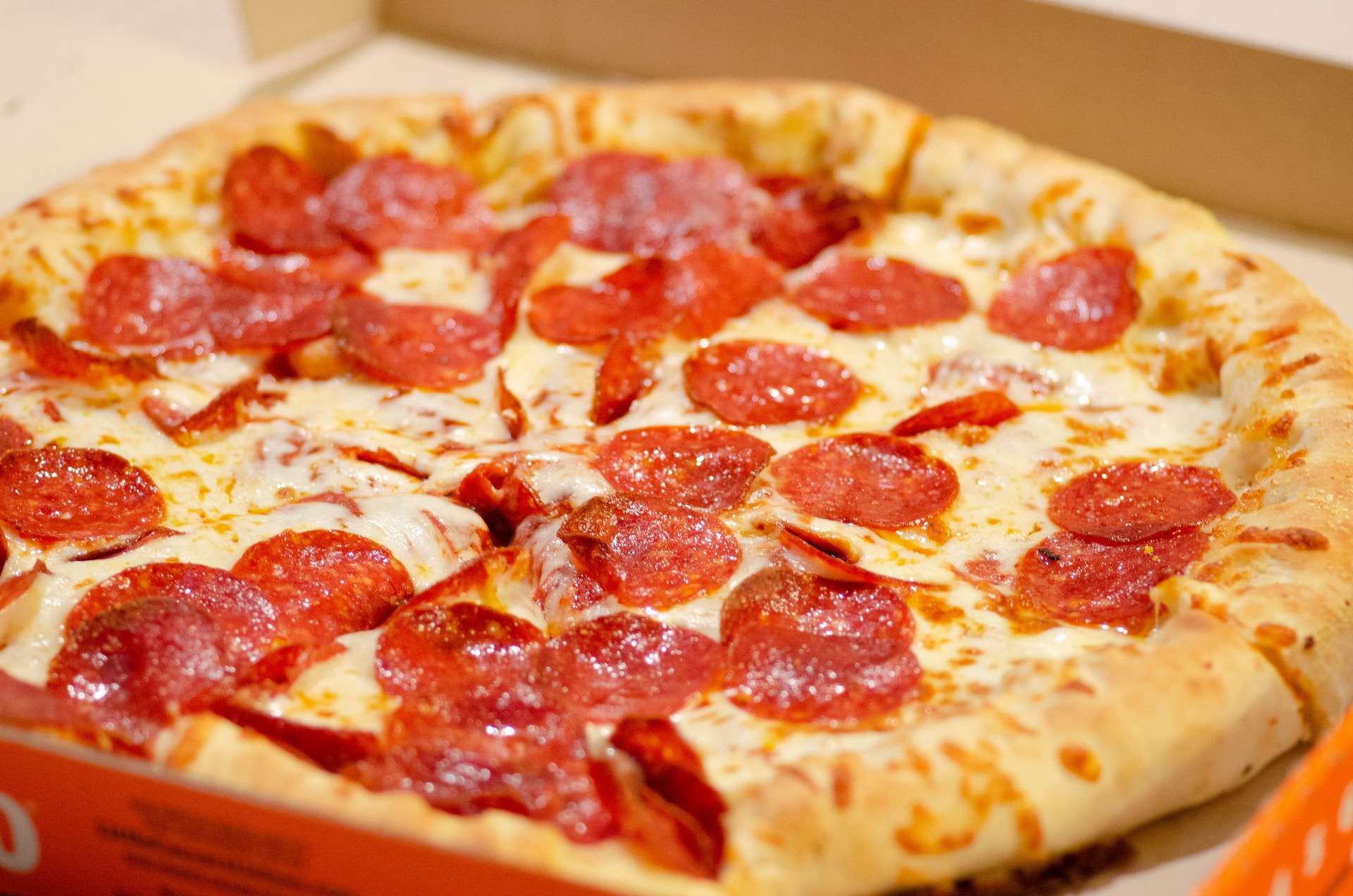
• Deep-dish pepperoni pizza
Better
• Thin-crust pizza with vegetable topping
Bad
• Carbonara pasta sauce — Creamy sauces are more likely to contain thickeners and emulsifiers, and the meat would be highly processed.
Better
• Tomato-based pasta sauces — These are a good source of the antioxidant lycopene. Choose low-sugar, low-salt.
Bad
• Sugar-free, low-fat fruit yogurt
Better
• Full-fat, low-sugar yogurt —Look for those under 5 grams of sugar
Bad
• Flavored tortilla chips — A flavored chip or tortilla chip will have a much longer list of UPF ingredients than salted or plain chips or popcorn
Better• Salted popcorn






