














If you are committed to healthy eating or are on a weight-loss diet, you’ll probably try to avoid the buttery mashed potatoes and tempting Christmas desserts this holiday season. But dietitians recommend dodging some other festive food favorites you might not have considered unhealthy.
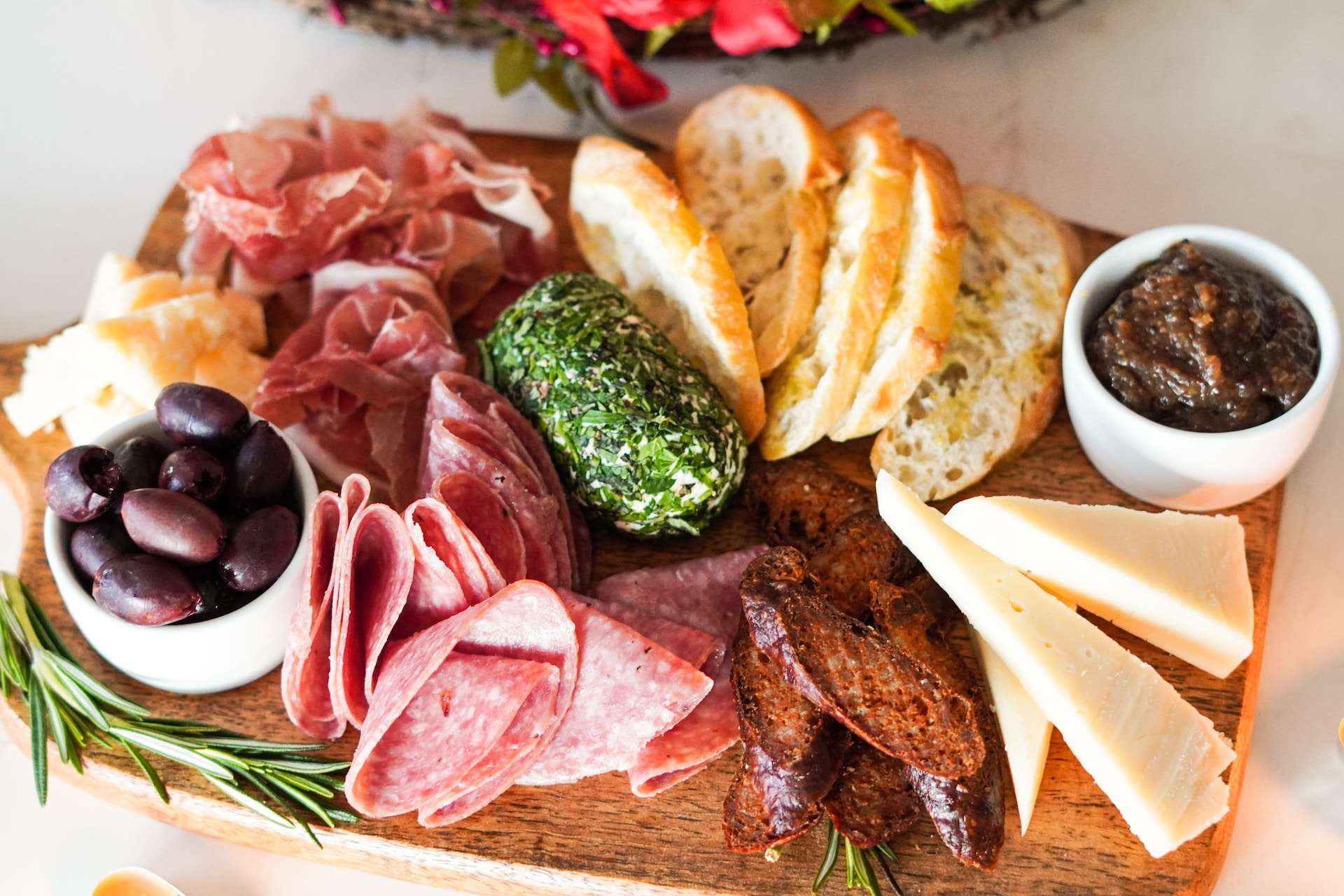
Nutrition experts have listed smoked fish, crackers, and (gasp!) even the charcuterie board among foods they would avoid.
With several of these items, the issue is sodium, which can lead to cardiovascular problems, including high blood pressure — a leading cause of heart attack.
For instance, lox, or smoked salmon, contains about 700 milligrams of sodium in only 100g — nearly half of what the American Heart Association suggests individuals should eat daily.
In the meantime, seven salami slices will quickly get you to the expert-recommended limit of 1500 milligrams daily.
Lauren Au, a professor of nutritional sciences at the University of California, Davis, told NBC News she cooks at home and avoids eating out at restaurants where a substantial amount of sodium is added to food.
“I also have young kids. So, when they’re first exposed to foods, you want to reduce the amount of sodium because they’re developing their taste preferences. When I cook, I try to limit, if not have, much sodium at all, and then just add it on to taste after it’s cooked,” said Au.
Instead of processed meats, Au recommends sticking to tofu, seafood, and chicken.
As far as crackers go, eating a lot without thinking is easy, absentmindedly boosting your calorie intake.
Some products nutritionists avoid are more expected, including sugary, fizzy sodas and alcoholic beverages like seltzers.
Professor of nutritional sciences at the University of Texas at Austin and registered dietitian Jaimie Davis says she avoids sports drinks and sodas.
For ‘something special,’ Davis recommends adding herbs and fruits like basil and strawberry to sparkling water.
If you want something with alcohol, Davis recommends mixing sparkling water with a dash of hard liquor, garnishing it with fruit like pomegranate seeds and raspberries.
Studies involving adults in 185 countries found those who drink a lot of sugary, fizzy drinks are more likely to develop cancer, tooth decay, and type 2 diabetes.
But other nutritionists told NBC that avoiding specific foods isn’t always the right approach.
Associate professor of nutritional sciences at Cornell University, Laura Bellows, said she takes a more ‘moderation-is-key’ approach and follows the Department of Agriculture’s outline of dietary guidelines.
“There are no bad foods, only bad quantities,” said Bellows.






