














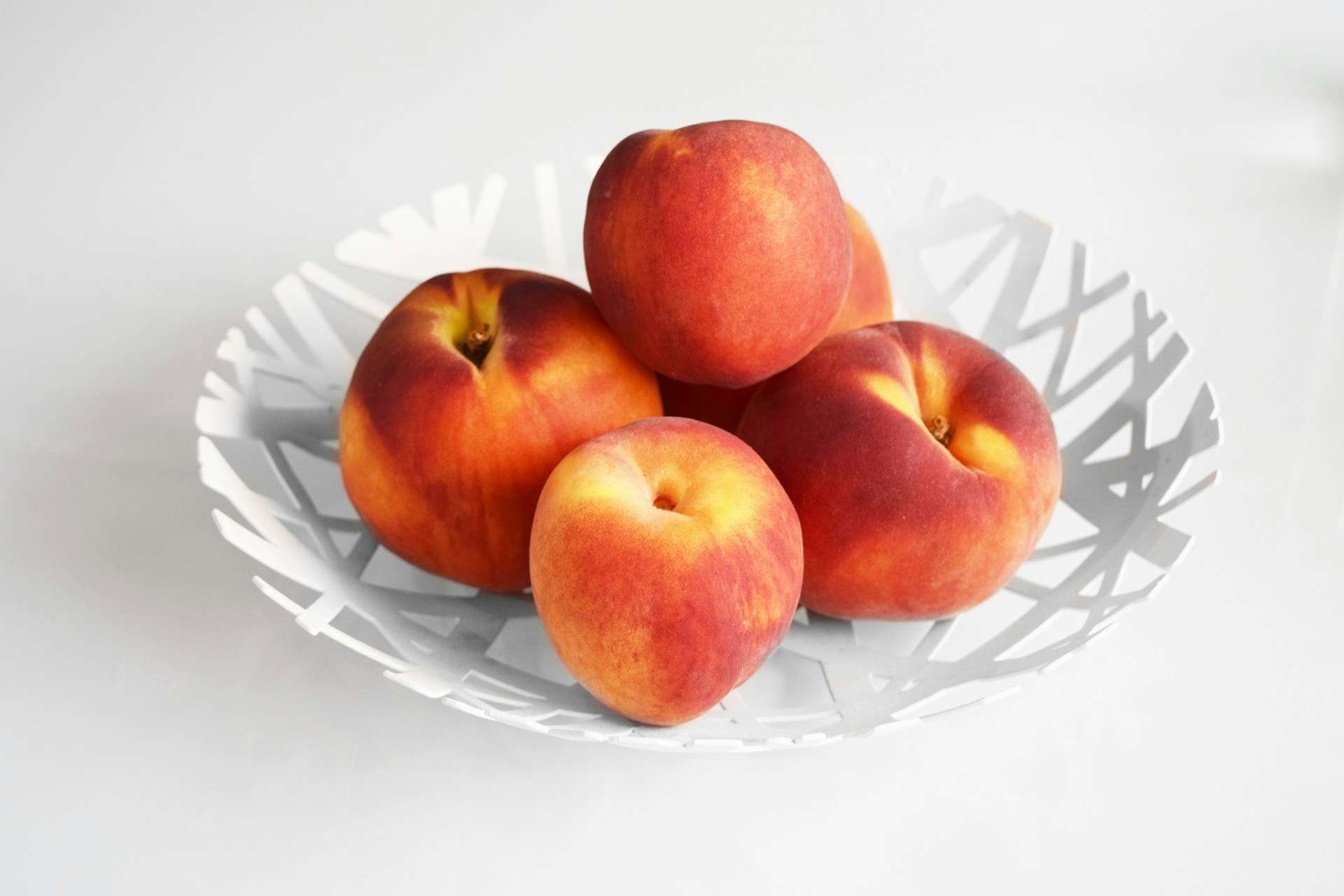
The annual Environmental Working Group analysis identifies the ‘Dirty Dozen’ and ‘Clean Fifteen’ choices with the most and least pesticide residue.
The new report said government lab tests have identified pesticides in a wide range of nonorganic produce, including almost all nonorganic peaches, strawberries, grapes, spinach, and leafy greens like kale.
According to the report of the vegetables and fruits that made the ‘Dirty Dozen’ list, 95% of the samples contained detectable levels of pesticides. This year, mustard greens, kale, and collards had the most pesticide residue, with 103 individual chemicals detected. Next on the list were hot peppers, with 101 chemicals.
“Everyone—adults and kids—should eat more fruits and vegetables, whether organic or not,” said Alexa Friedman, PhD., a senior scientist at EWG. However, consumers concerned about pesticide exposure can use the suite of materials in EWG’s Shopper’s Guide to Pesticides in Produce to make the best choices for them and their families.”
Vegetables and fruit on the ‘Dirty Dozen’ this year
The following produce had the highest pesticide levels per analysis by the EWG of government testing (not listed in order):
• Spinach
• Peaches
• Strawberries
• Grapes
• Collards, mustard greens, and kale
• Cherries
• Pears
• Nectarines
• Green beans
• Apples
• Blueberries
• Hot and bell peppers
What pesticides are in the ‘Dirty Dozen?’
According to the EWG report, four of the five commonly detected chemicals are fungicides. Two of these fungicides—pyrimethanil and fludioxonil—had the highest pesticide concentrations found in the dozen most contaminated foods. Both are known as endocrine disruptors because they interfere with the body’s key hormone systems, which are responsible for many aspects of reproduction and growth.
Fungicides could appear so frequently on nonorganic vegetables and fruits because they are applied while plants grow to remove or prevent fungi like mildew. They are also used to keep produce in transit to stores mold-free, says the EWG.
Produce is scrubbed, peeled, and washed before the U.S. Department of Agriculture (USDA) tests it for pesticides. However, testing still found evidence of 254 different pesticides on vegetables or fruits, including 209 unique pesticides on produce from the ‘Dirty Dozen’ list, according to EWG.
Which vegetables and fruits are in the ‘Clean Fifteen?’
They additionally identified a “Clean Fifteen” list of nonorganic products with no or little pesticides detected in lab tests. These include (in no order):
• Pineapple
• Avocados
• Papaya
• Sweet corn
• Onions
• Kiwi
• Frozen peas
• Asparagus
• Honeydew melon
• Mushrooms
• Cabbage
• Watermelon
• Sweet potatoes
• Mangoes
• Cabbage
According to the EWG, almost 65 percent of these food samples had no pesticides.
Key points
• Dieticians emphasize eating plenty of vegetables and fruits, whether organic or not, is crucial for health.
• The EWG has released its annual list of the ‘Dirty Dozen’ vegetables and fruits with the most pesticide residue.
• Steps to reduce pesticide exposure include purchasing organic and washing conventional produce vigorously with vinegar and baking soda solution.
You should still consume plenty of vegetables and fruits, even if you cannot purchase organic.
Luz Claudio, Ph.D., professor of environmental medicine and public health at Icahn School of Medicine at Mount Sinai in New York City, says there are ways to reduce pesticide exposure even when organic produce is unavailable. Organic produce tends to be more expensive than nonorganic alternatives.
To begin with, you can feel more confident purchasing nonorganic vegetables and fruits on the ‘Clean Fifteen’ shopping list and saving your budget for organic produce to buy items on the ‘Dirty Dozen’ list.
Additionally, Dr. Claudio advises that vigorously washing produce with water and using a vinegar or baking soda solution can help remove pesticide residue. Peeling produce can decrease exposure to chemicals, although this can also strip away some critical nutrients.
At the end of the day, clinical New York City dietician Samantha Heller, RD, says the benefits of eating a diet rich in vegetables and fruits outweigh the risks of pesticide exposure from specific nonorganic produce.
“All fruits, vegetables, nuts, seeds, whole grains, and beans are healthy foods whether they are organic or not,” says Heller. “Adopting a more plant-based dietary lifestyle is healthy for the individual and the planet,” adds Heller. “We do not want to scare people away from eating perfectly healthy foods even if they are not organic.”
The study emphasizes the need to advocate for safer agriculture practices
While the EWG shopping guide can assist people in reducing their pesticide exposure in foods, mainly if they can’t afford to buy all organic produce, it doesn’t address the underlying business and agricultural practices that lead to pesticide use to start, says Claudio.
“It is equally important to advocate for and adopt safer agricultural practices that reduce exposures to farmworkers, ecosystems, wildlife, and beneficial insects, and ultimately helps to reduce some of the collateral damage being caused by excessive use of synthetic chemicals and other potentially harmful agribusiness farming practices.”






