














Protein is crucial to a healthy diet; however, the stereotypical protein sources — including eggs, animal products, and meat — aren’t necessarily the only ways to enjoy eating protein daily.
Plant-based protein is a great and increasingly popular way to eat your daily protein intake. In addition to high protein-rich vegetables, there are a handful of high-protein fruits you can add to your meals and snacks to boost protein intake.
Although everyone’s personal protein requirement may differ slightly, The Dietary Reference Intake suggests the average sedentary woman consumes 46 grams daily, with sedentary men taking in 56 grams of protein. If you participate in high-activity activities, you may require more protein. Consulting with a nutrition professional or doctor can help determine precisely how much protein might suit your body.
If you are often hungry, it may be a sign that you need to consume more protein. Every well-balanced diet requires protein. So, if you want to change what you eat or add protein from other sources, consider these fruits.
High-Protein Fruits
“While fruits are not typically known for being high in protein compared to other food groups like meat or legumes, a few fruits continue notable amounts of protein,” says certified nutritionist Amy Fox. You probably don’t want fruit to be the primary source of protein, but if you are looking for a snack with a bit of protein or want to add a boost of fruit to a salad, this guide can help you out.
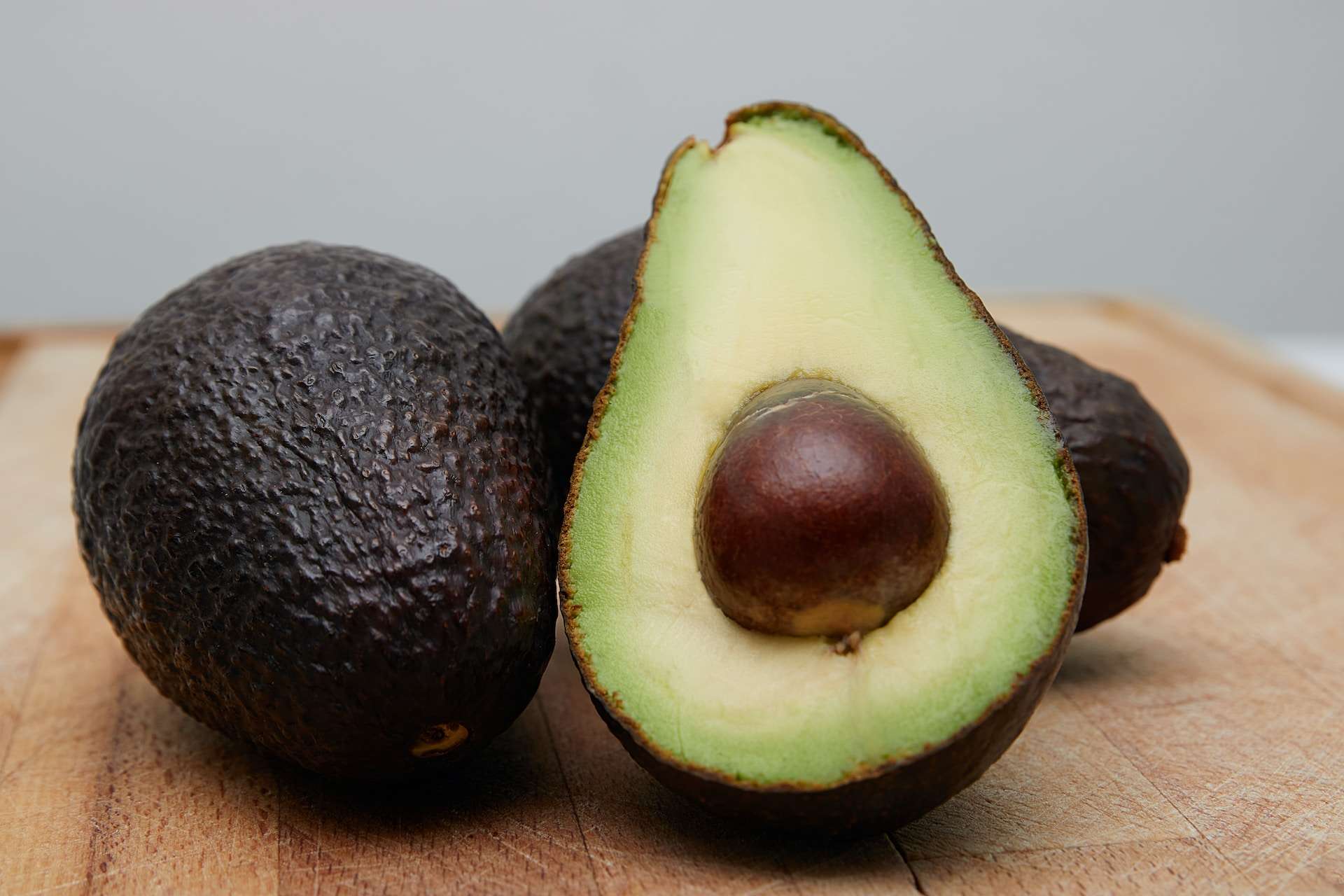
Avocado
“Known for its healthy fats and fiber content, avocado is also a natural source of protein,” says Fox. This healthy fruit can be eaten straight out of the spoon along with a sprinkle of salt, if desired, for an on-the-go snack, or avocado can be used in a slew of recipes like blended in a smoothie, smashed for guacamole or avocado toast. Protein in an avocado per one fruit: 2.7 grams.
Tomatoes
Yep, tomatoes are a fruit with some protein, although the content will vary by type of tomato. In season, tomatoes are excellent sliced and sprinkled with salt, drizzled with rice vinegar and olive oil, or eaten plain. Tomatoes, of course, make an excellent pasta sauce, can be used in curry, or can serve as a creamy soup base. The potential for tomatoes is endless, and they’re also packed with health benefits, including vitamins, fiber, and antioxidants. Tomatoes contain 1.5 grams of protein per cup.
Kiwis
Kiwis are a cute small fruit (fuzzy skin), but they are nutritious, delicious, and easy to eat. Just slice a kiwi in half and eat the fruit with a spoon. Kiwi also has potassium, calcium, and some fiber but is higher in carbohydrates and sugar than other tropical fruits. But still, kiwi can be one of the healthiest additions to your diet. Per kiwi, you can receive 1.9 grams of protein.
Jackfruit
Jackfruit is a tropical fruit with a texture similar to tender meat, like chicken or pork. It is tender and a bit sweet and absorbs other flavors. “Jackfruit is a popular choice among vegans and vegetarians and has approximately 3 grams of protein per cup,” Fox said. “It is highly versatile and can be used as a meat substitute in various dishes.”
Jackfruit can be used in numerous ways, including stir-fries, curries, and tacos. “Add it to desserts like pies, or blend it into smoothies for a unique twist,” suggests Fox. Jackfruit contains 2.8 grams of protein per cup.
Blackberries
Blackberries are a good source of fruit protein because they are easy to enjoy and high in fiber along with other nutrients, including some antioxidants. Blackberries can be enjoyed by the handful, mixed into oatmeal, yogurt, or chia pudding, or blended in a smoothie to add nutrients and a rich purple color. They can also work well with savory foods. Per cup, blackberries contain 2 grams of protein.
Citrus fruit
Citrus fruit is known to be juicy, but grapefruit is remarkably high in protein. A single fruit fruit packs over 2 grams and can be eaten in segments or eaten raw with a spoon. You can also sprinkle a bit of sugar or sugar substitute on top for a sweeter treat. Grapefruit is packed with Vitamin C and more health benefits and can be used in a broad range of dishes to add nutrition and flavor. Grapefruit can be used in salsa, in a hearty, savory salad, or as the star of a tangy fruit salad. Grapefruit contains 2.4 grams of protein per fruit.
Guava
Guava is a tropical fruit that is one of the fruits with the highest contents of protein. With only five grams of sugar, it can be an excellent option to add some protein when cubed for a snack on a hot day, sliced into a grilled cheese sandwich, or added to your fruit salad. “Enjoy guava as a refreshing snack or incorporate it into your smoothies, salads, or even make a homemade guava jam or jelly,” Fox suggests. Beware of pre-packaged guava products, which may contain many additives or sugar. Protein per cup of guava is 4.2 grams.
Apricots
Apricots are a stone fruit high in protein, delicious raw, and can easily be eaten with the skin on, making it a portable snack. Apricots are also full of nutrients and hydrating. They contain potassium, beta-carotene, and antioxidants. Apricots also can pair well with meat if you are trying to add additional protein to your meal. Some ideas for using apricots are bacon-wrapped apricots for appetizers, lemon-pepper tofu with apricot-chickpea salsa, and sesame-coated pork with apricot sauce. Apricots are also great as snacks or in desserts. Per cup of apricots, you can receive 2.2 grams.






