














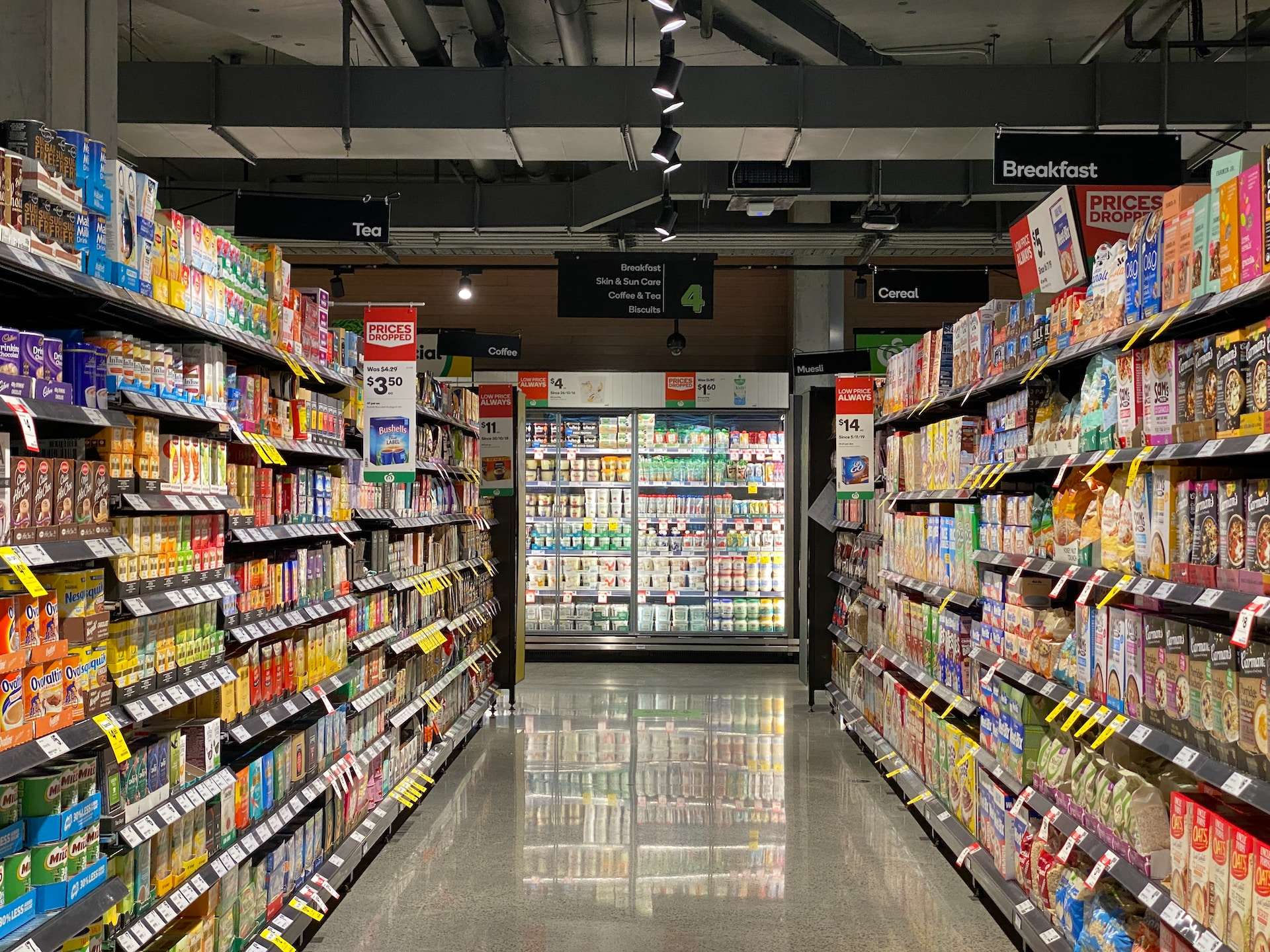
All Americans are feeling the effects of inflation right now, and it is especially noticeable in the grocery store aisles. Grocery prices are up around 12% from last year, with specific categories up even more.
We’re seeing considerably higher prices on necessities like milk, eggs, and beef. The money adds up, even for the discerning shopper. The increase of 12% in prices means that if your grocery budget is usually $500, it now must be stretched to $560.
But there are ways to help save on groceries and continue to put nutritious meals on the table. Try some of these suggestions and tips to reduce grocery store costs when inflation is pushing prices up.
Be picky with your produce
Dieticians advocate for people to eat more vegetables and fruits. While these foods may seem expensive, there are several ways to stretch your dollars and continue to get the nutrition provided by produce.
Choosing canned, dried, and frozen fruit and vegetables is an excellent way to save money while still getting minerals, fiber, vitamins, and antioxidants into your diet. Look for other options lower in added salt and sugars.
Continue switching out more expensive vegetables or fruit with something less expensive. Instead of eating a mixed green salad, turn less expensive cabbage into slaw to save dollars. Instead of shallots, use onions in soup or frozen berries in your morning smoothie instead of fresh.
Also, make sure you eat what you purchase. That is another reason canned and frozen produce are great basics, but first, use any fragile produce so you save money. Additionally, you can try to freeze produce or add any that may go bad to fried rice, eggs, or soups.
Make a plan
Planning helps save money for several reasons. By making a grocery list, you can avoid impulse buys that can add up.
You are more likely to use what you buy and have on hand — which helps cut costs more. Researchers estimate that households discard around 30% of the food they purchase.
Having a plan for dinner and a few other meals for the week can also help you cook more at home and avoid getting takeout or other costly options on busy days.
It doesn’t have to be complex, but having a few recipes written down and then shopping for those ingredients is a great strategy to help you save money at the store.
Search for good sales
Some of us are already skilled at looking through weekly sale flyers and using coupons. However, it is never too late to start if you don’t already. The majority of stores also offer discounts. Combined with coupons, you could save a lot.
If you shop more online, using a pickup service or grocery delivery, try filtering products by what’s on special or adding virtual coupons. If there is a grocery store you go to frequently, make sure you have signed up for rewards points.
One preferred strategy is to look first for what is on sale, then add some foods to your week’s meal plan. That way, you aren’t adding unnecessary foods just because they are on sale. Also, check for coupons for foods you usually purchase.
Rethink your proteins
Foods rich in protein, like seafood, meat, and poultry, tend to be some of the most costly foods on our menus.
However, there are some wise savings here without giving up meat (unless you want to).
Many proteins, like tofu and beans, are plant-based and less expensive than meat. Trying a few meatless meats could help you save some money.
Choosing some cuts of meat that are less expensive can be helpful. Choosing top-round steaks, chicken thighs (instead of breasts), and ground meats to help cut costs. Compare prices or talk to your local butcher to compare prices and save.
If you have the freezer space and since protein is pricey, it may make sense to stock up when there are sales. Then, freeze them and thaw them when ready to prepare them.
You can stretch out your meat supply by blending it with grains in meals like burgers, casseroles, and stir-fries. It doesn’t have to be all or nothing when considering saving on proteins. Instead, it could be little changes that can help you save over time.
Check prices per unit
You should find out if you need to be made aware of the price per unit. It is located on the store shelf next to the item’s cost, allowing you to compare different brands and sizes better.
For example, if you go through cereal each week, it may make sense to purchase the larger box, which will cost more but less per pound than the smaller box. Unit prices indicate the cost based on the product’s weight, with smaller sizes costing more.
Looking at pricing per unit can also help you to compare diverse brands that may offer food products in packages of different sizes and find the one that makes the most sense for your wallet.
Purchase in bulk (if it makes sense for you)
Purchasing more of everything is not the wisest choice. Doing so means spending much of your budget upfront on groceries. Big box stores offer significant grocery deals, including BJ’s, Costco, and Sam’s Club.
This can be particularly helpful for larger families who must stock up on large amounts of groceries. If you aren’t cooking for a large crowd, you could find that buying staple goods in bulk makes sense because of the substantial cost savings.
If you are not a warehouse store or club member, having a lot of space to store food at home or buying bigger sizes at your regular store can help you save money, as long as you check those unit prices!
Understand what expiration dates mean
Sometimes, food does turn rancid or grow moldy. If they do, don’t eat it! The dates you see on food packages frequently represent quality standards, not safety.
According to the USDA, besides infant formula, which does display safety dates, foods are listed with “sell-by,” “best if used by,” “freeze-by,” or “use-by” dates that indicate quality and freshness.
Check the dates, both in your home and at the store, to ensure that what you are using is fresh and that you’re using the older products first.
Paying attention to dates can help save money because you eat food when it is freshest. However, you do not need to treat the dates as fast and hard rules to throw away food.
Rethink what “convenience” means
We often pay a premium for convenience — think about sauces that are pre-made or pre-cut fruits or vegetables ready for you to use.
But sometimes, items that are convenient payoff, meaning you’re eating a meal cooked at home instead of letting things in your refrigerator go bad or getting takeout again.
We all need help putting meals on the table, so convenience items should be chosen wisely to ensure you get what you’ve paid for.
Occasionally, jarred sauce or chopped veggies aren’t much more expensive. Be aware of the prices to see what is at a premium, and also know you can find convenience without paying more by purchasing products like frozen vegetables or fruit.
You may require more help from the store, but make sure you choose your convenience wisely to use it to your advantage and save dollars in the long run by cooking more often at home.
Shop in your freezer and pantry
Sometimes, when it seems there isn’t a thing to eat in the house, there probably is. Using what you have before you create a list and shop can help save you money since you are using what you already have.
It may take a bit more effort — and maybe you are unsure what to make with the bag of green beans in your freezer or the box of pasta in your pantry — but using these basics to tackle a meal can help keep costs lower.
Take inventory to help you use up foods before they spoil.
Switch stores
Some of us have loyalties to our grocery stores, but switching things can help you save on groceries. You can switch where you shop depending on what is on sale and where.
Some grocery stores have specific foods for less, not only big box stores. Stores like Trader Joe’s and ALDI have developed loyal followers by offering fantastic prices on their items. Sometimes, even dollar stores have some staples at great prices.
Not every person can shop at different stores because of how easy it is to access food and where they live; however, if you can change where you shop, you can.






