














If you know it or not, your liver is crucial. It’s the one organ involved in every metabolic process in the body. However, despite how important it is for our overall health, many people abuse it. This abuse puts us at risk for a condition known as non-alcoholic fatty liver disease or NAFLD. NAFLD has become the leading cause of liver diseases and liver cancer worldwide, and 25%-58% of Americans have it.
Although no treatment or medication will cure a fatty liver, there are a few foods you can avoid and eat to maintain its health. Continue to read to discover the liver-friendly foods you may want to grab on your next grocery store run.
What is non-alcoholic fatty liver disease?
NAFLD is a condition characterized by too much fat in the liver. The cause isn’t related to alcohol consumption. Instead, the accumulation of abnormal fat is related to metabolic factors, including Type 2 diabetes, high waist circumference, insulin resistance, or abnormal lipid levels.
The disease is metabolically driven, and the American Association for the Study of Liver Disease recently created a subclass of NAFLD called metabolic dysfunction-associated steatosis liver disease, MASLD, to emphasize the connection between metabolic-related diseases and fat in the liver. The diagnostic criteria for the two diseases overlap by 99%, so individuals with NAFLD tend also to meet the requirements for MASLD.
What causes MASLD and NAFLD?
Scientists are still discovering the root causes, but research points to the diseases caused by various factors, including diet, sedentary behavior, genetics, and even dysregulation within the microbiome.
How are MASLD and NAFLD diagnosed?
The difference between MASLD and NAFLD comes down to how they are diagnosed. NAFLD is the result of excessive fat in the liver unrelated to other liver diseases or alcohol.
MASLD is defined as fat in the liver with noticeable metabolic abnormality. A diagnosis of MASLD requires the presence of fat in the liver and at least one of the five criteria of metabolic syndrome. These include high blood pressure, high waist circumference, low HDL, high blood fat levels, and high blood sugar.
Fatty liver disease rates are not improving. The prevalence has only grown over the past two decades. Despite its growth, there is no pharmacological remedy. Furthermore, the disease is being diagnosed in patients of younger ages. But there is good news—it can be reversed if it is caught in its earlier stages.
Want some more good news? The foods you eat and don’t eat significantly affect your liver’s health. Although there is no fatty liver diet, there are liver-friendly foods you should choose for your shopping cart.
Five foods that can boost the health of your liver
The foods you choose to limit and eat will play a significant role in reversal. Here are five of the most beneficial superfoods for the liver:
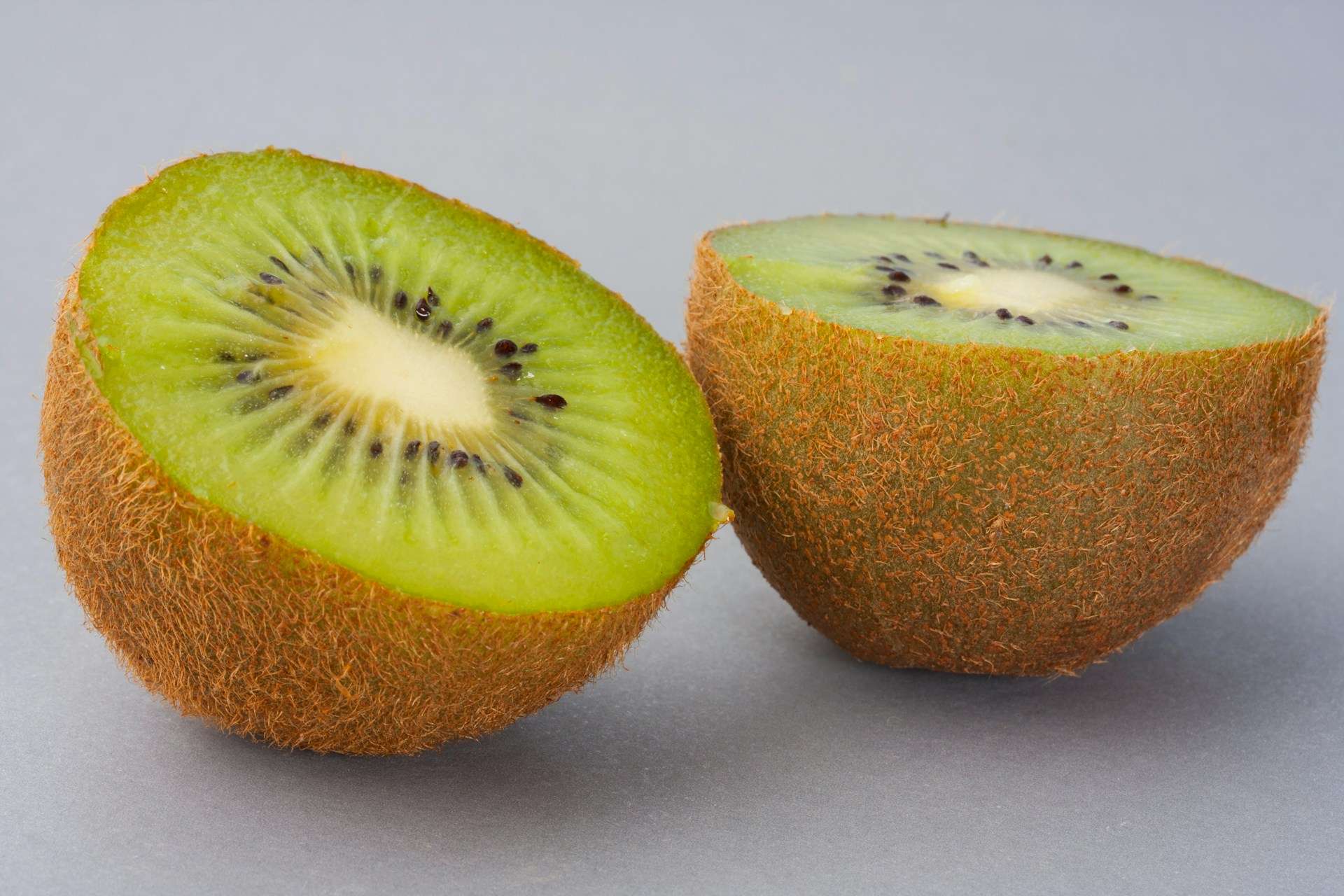
• Kiwi: Kiwi contains an antioxidant called Pyrroloquinoline quinone, or PQQ. A University of Colorado study found when the antioxidant was given to pregnant obese mice, it helped to reduce the risk of NAFLD in their offspring later in life. Eat kiwi on top of yogurt or oatmeal or as a snack alone.
• Green tea: An animal study in 2020 found that a combination of exercise and green tea extract reduced the severity of fatty liver in mice. In addition, mice that either exercised on their own or had green tea extract still had a 50% reduction in severity compared to the control group. Green tea can be consumed through matcha or traditional tea leaves in humans. Green tea is found to benefit several disease states because of its high content of antioxidants.
• Dark chocolate: Dark chocolate is defined as having a minimum of 50% cocoa content. The darker the chocolate is, the greater the content of flavonoids. That is why chocolate is lower in sugar, with at least 70% cocoa recommended. A study in 2017 found that the consumption of dark chocolate improved metabolic syndrome and fatty liver by reducing oxidative stress (an imbalance between antioxidant defenses and free radicals). Replace desserts high in sugar content with a few squares of dark chocolate following dinner.
• Extra virgin olive oil: Extra virgin olive oil is a healthy fat associated with a reduced risk of Alzheimer’s disease, heart disease, and even some cancers. Studies additionally show it can help improve liver enzymes and reduce liver fat. Consume at least three tablespoons per day of extra virgin olive oil in sauces and salads, or use it as a butter replacement when cooking.
Studies additionally show it can help improve liver enzymes and reduce liver fat. Consume at least three tablespoons per day of extra virgin olive oil in sauces and salads, or use it as a replacement for butter when cooking.
• Coffee: Your morning cup of joe could be a lifesaver for the liver. Several studies show the protective benefits that coffee has on liver health. Coffee can play a crucial role in improving liver enzymes, reducing the risk of liver cancer, and reducing the risk of death by cirrhosis of the liver. A 2021 study that assessed 11 epidemiological studies found regular consumption of coffee substantially reduced FAFLD risk.
Foods you should avoid
In addition to eating liver-friendly foods, reducing a few that could harm the liver can also be helpful.
• Processed foods: Reducing ultra-processed foods may help prevent a fatty liver. A 2023 study that assessed fast food found a link between fast food consumption and the development of fatty liver.
• Sugary foods and refined carbs: Based on your metabolic profile, a low-to-moderate carbohydrate diet can also benefit fatty liver since the disease is closely tied to type 2 diabetes and insulin resistance.
• Alcohol: Alcohol is one of the most apparent offenders of good liver health, and studies demonstrate that cutting back (four or more drinks for women at a time or five or more drinks for men) reduces the risk of liver-related diseases.
Can the liver be healed with exercise?
Diet plays a substantial role in better liver health; however, it isn’t the only component that can reduce the severity of fatty liver or improve liver health. Studies show physical activity can significantly influence liver health and blood sugar control. Both moderate-intensity and high-intensity training can reduce fat in the liver. More movement can help reduce fatty liver if intense exercise is too much. You don’t have to compete in a triathlon — choose stairs over elevators or park further away from the door.
Managing your mental health can also help to alleviate fat in the liver. A study in 2015 found an association between anxiety and depression and an increased risk of death from liver disease. Additionally, if you carry excess weight in your midsection, reducing your waist circumference will significantly impact your liver health.
If you take good care of your liver, it will take care of you.






