














Although it’s traditionally associated with bloating and flatulence, research shows increasingly that dietary fiber is a lifesaver and one of the unsung heroes of nutrition.
Only 24 grams daily — equal to about five portions of fruit daily — has been tied to a 30 percent lower risk of colon cancer.
Registered dietitian Jerlyn Jones, based in Atlanta, said: “We don’t get enough fiber, and the more fiber we have in our diet, the lower our chances of having certain types of disease, especially heart disease, which is prevalent in the U.S., along with type two diabetes and certain cancers on average.”
Unlike proteins and fats, fiber is a carbohydrate that the body can’t fully digest. It travels through the majority of the digestive system relatively intact.
It’s crucial for digestive health, prevents constipation, and tames down “bad” LDL cholesterol. Because it’s not absorbed easily by the body, it digests slowly and keeps you feeling fuller for longer.
Additionally, fiber can help control blood sugar levels. Because the body doesn’t fully digest it, sugar is released more gradually and slower into the bloodstream, preventing rapid spikes, which can lead to inflammation, weight gain, and type 2 diabetes.
Although fiber can potentially cause gas and embarrassing flatulence, “that could also be a reason why a lot of people might not want to introduce more fiber into their diet,” said Jones, but stressed that the benefit of the micronutrient outweighs any downsides.
Dietary fiber helps regulate the delicate balance of good bacteria in the gut. It’s broken down in the gut into metabolites, products used for breakdown that provide cell energy that prevents inflammation and line the colon—a leading harbinger of cancer.
Fiber is also known to help individuals who are constipated in the restroom.
It assists stool in moving through and then exiting the gut more rapidly by softening it and absorbing water, making passing it easier.
By speeding up transit time, potentially harmful substances like carcinogens have less time to interact with the lining of the gut and prevent cancerous changes in the colon.
Dietitians also recommend eating a diet rich in fiber to manage weight. Fiber slows digestion and absorption of nutrients, meaning food stays in the stomach for longer, and you feel satiated for a longer period.
It adds additional volume to your food without adding more calories, which helps to fill your stomach and send signals to the brain that you are full.
An increasing amount of research has pointed to fiber’s anti-cancer benefits. An Oxford University 2010 study reported eating an average of 24 grams of dietary fiber daily reduces the risk of colorectal cancer by 30 percent compared to individuals who consume around 10 grams.
An analysis published in 2011 in the British Medical Journal of over two dozen studies into the effect of fiber on cancer risk came to the conclusion that for every 10 grams of fiber added to one’s diet, the colorectal cancer risk drops by 10 percent.
“These findings thus have important public health implications. Our results provide further support for public health recommendations to increase dietary fiber intake in the prevention of colorectal cancer,” added the researchers.
GI oncologist at the Cleveland Clinic, Dr. Suneel Kamath, said maintaining a healthy, rich-in-fiber diet is “very important” for repelling colorectal cancer or preventing its recurrence.
Fiber is broken down in the gut into byproducts that prevent inflammation — a leading precursor to cancer — and provide energy for cells lining the colon and metabolites.
When a diet is rich in fat and meat but low in fiber, bacteria in the gut produce a different range of metabolites, including ammonium compounds, hydrogen sulfide, and bile acids.
Dr. Patrick, who runs the FoundMyFitness podcast, said dietary fiber’s protective effect “might be attributed to fiber’s impact on the gut microbiome by producing short-chain fatty acids or SCFAs. These fatty acids inhibit the growth of pathogenic organisms, modulate inflammation, and even increase tumor cell [death].”
Continuous inflammation has been shown to “age” cells, damaging the lining of the large intestine and allowing the growth of cancerous cells that then accumulate to form tumors.
In a 2018 study published in the Nutrients journal, researchers from Brigham Young University found that as people age, the protective caps on the ends of chromosomes called telomeres get shorter.
However, increasing fiber intake by 10 grams for every 1,000 calories per day lengthens telomeres, similar to reducing biological age by around five years.
This was done by using data from the National Health and Nutrition Examination Survey (NHANES), which included length measurements of telomeres from the 1999 to 2002 cycles collected as part of the survey’s health assessments.
Researchers analyzed data from 5,674 adults, assessing the length of telomeres using a specialized DNA analysis technique in the lab. Additionally, they examined the relationship between the amount of fiber consumed and the length of telomeres, adjusting for possible confounding factors like physical activity, sex, race, and additional lifestyle factors.
Oncologists are concerned that the majority of Americans not only consume too little fiber but, overall, maintain diets that have the potential of introducing carcinogens through red meat and processed foods to the gut microbiome.
According to Kamath, “What we consistently see is that rise in early-onset colorectal cancer is definitely driven largely by Western Europe, the U.S., and Canada.
“As certain countries have gotten more wealth and then people start to eat a diet that’s more westernized, we start to see those same trends start to appear there as well.”
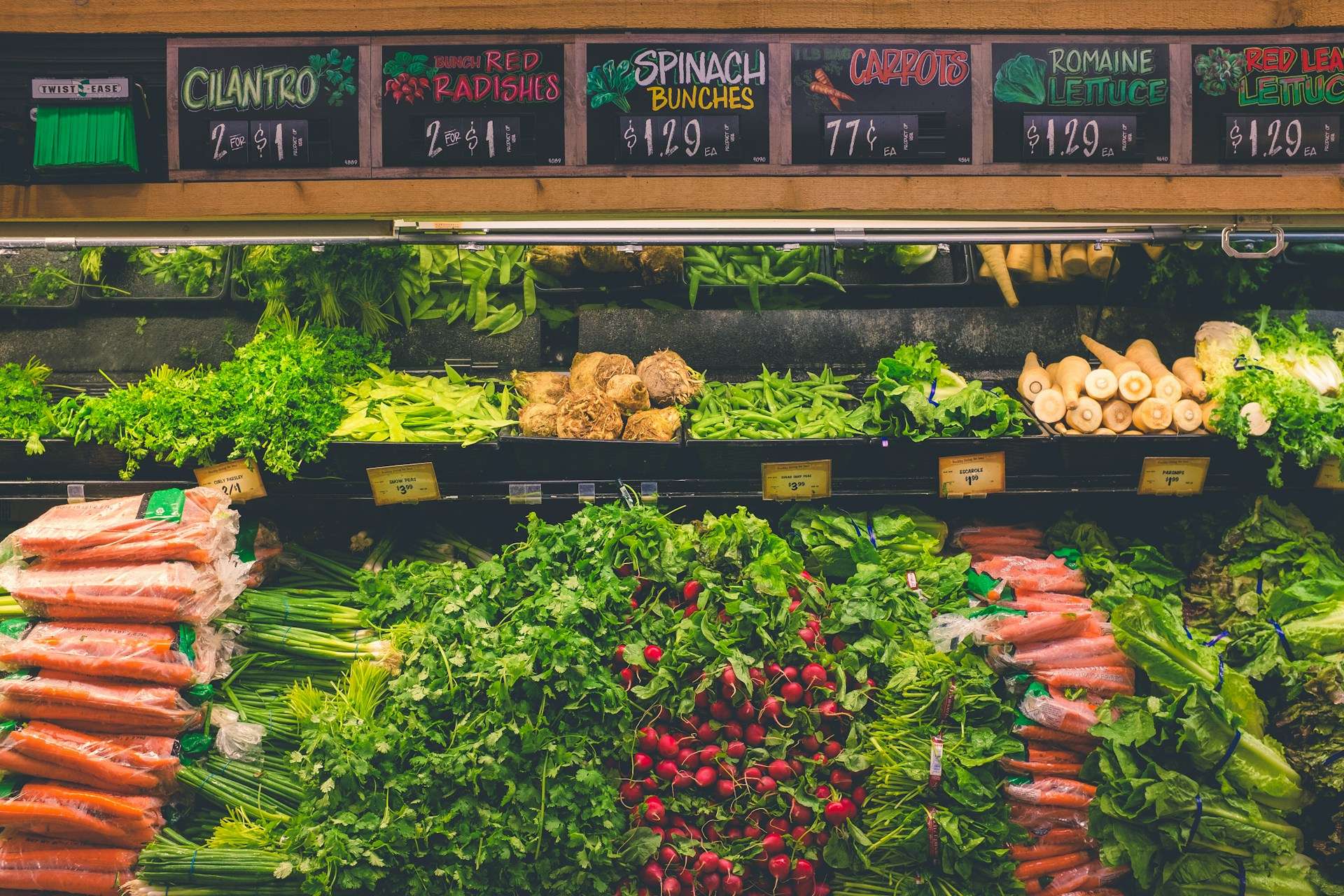
Foods high in fiber include fruits such as berries, apples, and bananas; vegetables like spinach, broccoli, and carrots; whole grains like oatmeal and brown rice; seeds and nuts like chia seeds and almonds; and legumes including lentils and beans.
Jones’s father was diagnosed about 20 years ago with colorectal cancer. Following the advice of his daughter, he changed his diet to include the recommended amount of dietary fiber by consuming a mixture of fiber-rich foods and is now in remission.
“Eat high fiber foods because that also feeds your good gut bacteria, which helps minimize the risk of any of those illnesses and support your immune system, which also helps with any carcinogenic cells at the same time,” she said.
“As you’re getting a variety of different food items that are high in fiber, you’re going to definitely decrease your risk of certain types of cancer, and also cholesterol levels which reduces inflammation and improves gut health.”
Consuming these foods can also help support digestive health, making you feel more full.
Obesity, a condition affecting almost 42 percent of Americans, is also considered a top risk factor for CRC.
An NIH study estimated obesity can increase one’s risk of CRC by as much as 32 percent.
According to The Gastro Clinic’s GI doctors, an ideal breakfast rich in fiber would include ¾ cup of bran cereal, which provides six grams of fiber, one egg, one cup of skim milk, half a grapefruit for three grams of fiber, a teaspoon of margarine, and a cup of decaf coffee.
According to the doctors, an ideal lunch would include two slices of whole wheat bread—providing six grams of fiber—one cup of tossed salad for three grams of fiber, a medium apple—providing three grams of fiber—two ounces of roast beef, and a glass of lemonade.
For dinner, doctors recommend one baked potato with the skin on for three grams of fiber, half a cup of broccoli for three grams of fiber, three ounces of baked chicken for three grams of fiber, and a large glass of water.
The average American’s diet comprises red meat, simple carbohydrates, processed foods, fats, and only 15 grams of fiber daily.
In early 2023, the American Cancer Society (ACS) reported that 20 percent of diagnoses in 2019 were in patients under 55, about double the 1995 rate.
With the threat of excess deaths because of CRC in younger adults looming closer each year, both the Multisociety Task Force on Colorectal Cancer and the U.S. Preventative Services Task Force (USPSTF), two organizations that offer guidelines for preventative health, now advise that most Americans begin colorectal cancer screening at age 45 — five years earlier than before — and continue being screened regularly until age 75.






