














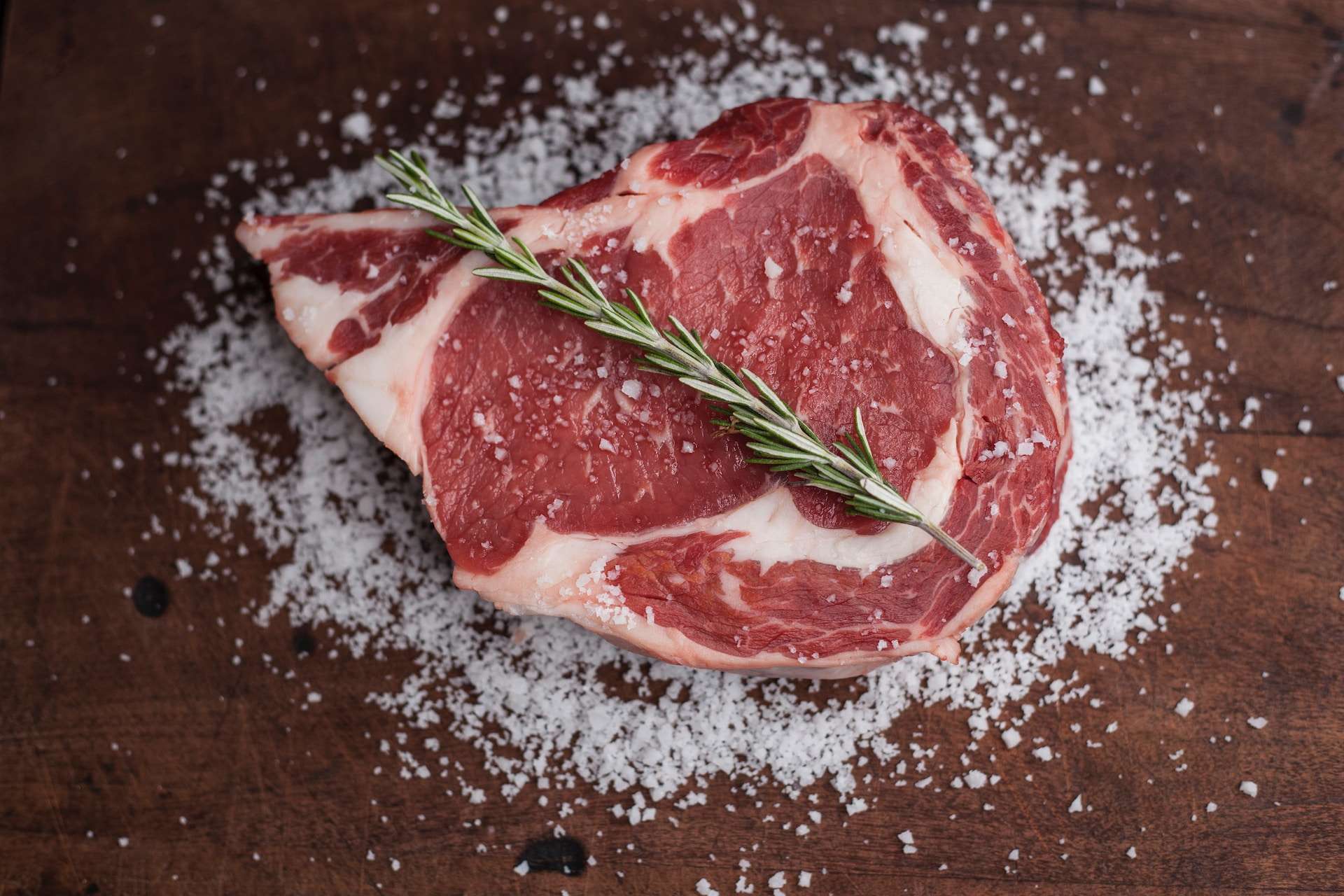
Consumption of red meat has slowly been declining, which may be a good thing, according to some experts.
According to Agricultural Economic Insights, the average American consumed over 59 pounds of beef in 2022 – marking a considerable decline from the 1970s, when people were eating about 86 pounds of beef per year.
However, as of 2018 the typical American still consumes around 40% more than the recommended amounts of meat (as well as nuts and eggs) in 2018, according to statistics provided by the USDA’s Food Availability and Consumption.
With more research indicating possible health risks of eating meat, is it necessary to limit or eliminate the amount of red meat on your plate?
Here is what experts say.
Opinions from experts
Several studies over the years have found links between beef and multiple long-term conditions. Recently, a study published in The American Journal of Clinical Nutrition suggested consuming two servings of red meat each week could increase the risk of developing type 2 diabetes, and over two servings per week was associated with a higher risk.
Additional research suggests red meat impacts heart health. In 2022, investigators at the American Heart Association discovered chemicals produced in the gut after consuming red meat explained a “significant portion” behind the elevated risk of heart disease.
A 2021 meta-analysis found both processed and red meat were associated with increased risks of various types of cancer, including lung, breast, and colon. In addition, the findings from a large-scale study involving over 1.4 million people and conducted by researchers from the University of Oxford indicate higher intakes of beef (50 grams or higher per day) increased the risk of coronary heart disease by 9% while eating more processed meat doubled the risk.
Ground beef has also been associated with large outbreaks of foodborne illnesses, which are becoming more common.
The Centers for Disease Control and Prevention states salmonella outbreaks linked to ground beef since 2016 have been responsible for more hospitalizations and many illnesses than all beef-related salmonella outbreaks in the previous 36 years.
Should I worry?
The latest research on red meat consumption and type 2 diabetes isn’t news to experts. “I don’t find these results too surprising as diets high in saturated fat have been found to increase the risk of insulin resistance, which can increase type 2 diabetes occurrence,” said registered dietician nutritionist and certified diabetes educator Erin Palinski-Wade, also author of 2 Day Diabetes Diet.
However, according to Palinski-Wade, meat might not be the culprit, or at least not the only culprit. “These results are an association, not a causation, which means that many other factors can also impact diabetes risk,” noted Palinski-Wade. “For instance, an increased intake of red meat can mean an increased intake of ultra-processed foods and high-fat animal meats, along with the possibility of a reduced intake of dietary fiber — all of which can increase the risk of type 2 diabetes.”
Registered dietician, nutritionist, adjunct professor of nutrition at New York University, and author of Finally Full, Finally Slim, Lisa Young agrees it is difficult to isolate one specific food and its effects on the body when researching nutrition.
“I tend to think it’s more about dietary patterns,” Young explains. “Maybe people who eat more red meat are also eating more white buns, more ketchup, more French fries — and these foods are not being disclosed on the questionnaires, which can be problematic. But it’s conveying the fact that the health risks of red meat are not just heart disease, but also diabetes and these conditions tend to fall together.”
What to do?
If you are concerned about blood sugar readings and cardiovascular health and are looking to reduce your intake of red meat, Young suggests beginning by limiting the number of meals centered on beef per week, as well as adjusting the portion sizes on your plate. “For example, make meat one-quarter of your dish while making the mainstay of your plate produce and healthy starches,” said Young.
Young added, “Start focusing on other foods you can add to your plate instead of only focusing on the foods you are going to take out.”
“Make an effort to add more fiber to your diet by incorporating more plant-based proteins, such as beans, nuts, and seeds,” agreed Palinski-Wade. “Also, consider increasing your intake of fruits and vegetables by adding ½ cup to 1 cup more than you typically consume until you can build up to five to seven servings per day.”
Palinski-Wade also advises selecting leaner cuts of beef over higher-fat cuts. “For instance, choose sirloin over prime rib. When possible, opt for grass-fed beef over grain-fed, which has a more favorable fatty acid profile.”
To help keep yourself and others safe from foodborne illnesses, the U.S. Department of Health and Human Services encourages investing in a food thermometer. Beef — including veal, goat, bison, and lamb — in chops, roasts, and steaks must be cooked until the internal temperature reaches 145 degrees, while sausage and ground beef should hit 160 degrees. Additionally, keeping ready-to-eat and cooked foods away from raw meat, including using separate utensils and plates, will further reduce the contamination risk, according to the USDA.
The primary takeaway
Despite warnings, limiting burgers and steaks forever may not be necessary. “I think the biggest takeaway is that it doesn’t mean you can never, ever have meat again,” said Young. “People have this black-and-white attitude, an all-or-nothing mentality. If someone has 3 to 4 ounces of red meat once a week, I don’t think it’s a problem. It’s more about dietary practices.”
Palinski-Wade said it’s best to think about meat and fattier animals as a less frequent choice of protein. “Having red meat once each week while incorporating leaner proteins — such as fish, white-meat poultry, and a variety of plant-based options — can help you to incorporate all the foods you love without as great of a risk on overall health.”






