














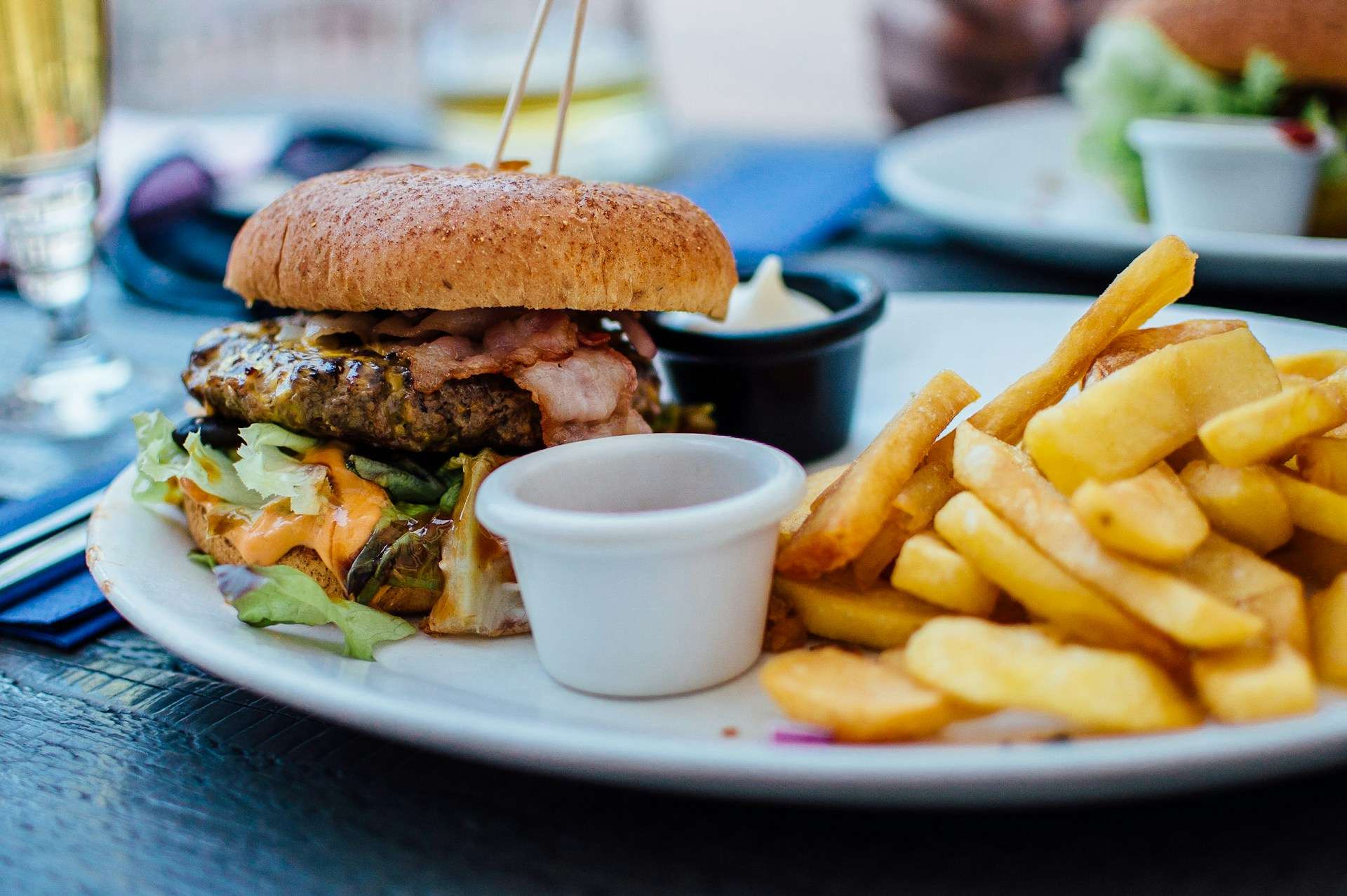
Scientists believe they have uncovered a missing link between how consuming junk food increases the risk of developing cancer.
A Singapore study looked at the effect of methylglyoxal, a compound produced when the body breaks down fatty and sugary foods, on a gene that helps fight off tumors. Academics found that methylglyoxal temporarily shut off the BRCA2 gene’s ability to protect against cancer forming and then growing.
For decades, doctors have known eating junk food is linked to an increased risk of cancer, even if the person isn’t obese. However, the mechanism is still being researched.
At least in part, it could explain why cancers among younger, relatively healthy Americans are becoming much more prevalent, specifically tumors in the colon.
The team additionally noted that the study contradicts a longstanding theory called Knudson’s ‘Two-Hit’ Paradigm, which said genes like BRCA2 must be completely inactive in the body to raise the risk of cancer.
These genes are meant to assist the body in its protection against cancer, although patients who inherit copies with faults from their parents have been shown to have an increased risk of specific cancers, like pancreatic and breast.
Study author and director of the National University of Singapore’s Centre for Cancer Research, Dr. Ashok Venkitaraman, told Medical News Today: “[M]ethylglyoxal triggers this destruction of the BRCA2 protein, reducing its level in cells. This effect is temporary but can last long enough to inhibit the tumor-preventing function of BRCA2. He noted that repeated exposure, such as through eating processed foods and red meat, among others, would increase the amount of damage to genes like BRCA2.”
The team examined the effect of methylglyoxal on cells from individuals who had inherited a faulty copy of BRCA2 and were more likely to develop cancer as a result.
They found exposure to methylglyoxal disabled the suppression of tumors.
“It is well documented that some individuals are at a high risk of developing breast, ovarian, pancreatic, or other cancers because they inherit a faulty copy of the cancer-preventing gene — BRCA2 — from their parents,” said Venkitaraman.
“Our recent findings show that cells from such individuals are susceptible to the effects of methylglyoxal, which is a chemical produced when our cells break down glucose to create energy. We find that methylglyoxal inhibits the tumor-preventing function of BRCA2, eventually causing faults in our DNA that are early warning signs of cancer development.”
In addition, Venkitaraman noted high levels of methylglyoxal are typical in individuals with prediabetes and diabetes.
“Our latest findings show that methylglyoxal can temporarily inactivate such cancer-preventing genes, suggesting that repeated episodes of poor diet or uncontrolled diabetes can “add up” over time to increase cancer risk,” he said.
However, the team cautioned that since the study was conducted in cells instead of people, more research is needed.
The research adds to a lengthy list of studies suggesting diet may have an impact on cancer risk and colorectal cancer in particular.
Cleveland Clinic research, for example, found that people under 50 who consumed diets rich in sugar and red meat had lower levels of compound citrate, formed when the body converts food into energy and has been shown to slow tumor growth. The new study was published recently in the journal Cell.






