














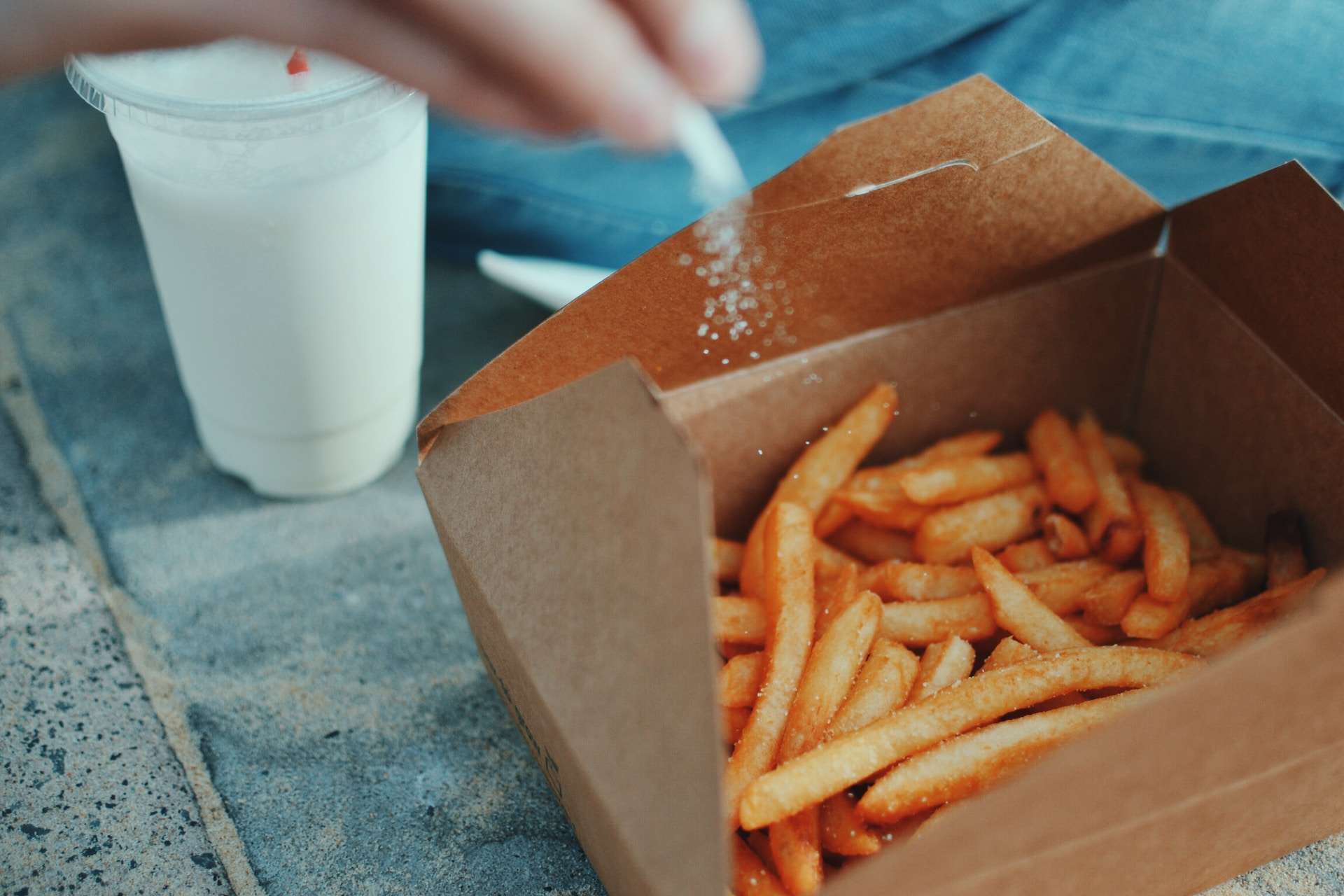
Maybe your meal doesn’t need that extra dash of salt.
Cutting only a teaspoon of salt from your everyday diet can lower blood pressure as much as medications for hypertension, found a study published this month in the Journal of the American Medical Association.
A diet low in sodium lowered systolic blood pressure in almost 75% of the 213 people who participated in the allocated diet order crossover study. Unlike a high-sodium diet, eating a low-sodium diet only one week dropped 8 millimeters of mercury in systolic blood pressure.
The study assigned participants, ages 50 to 75, one week of either a low- or high-sodium diet before switching to the other.
During the week of high sodium and their regular diet, they consumed two bouillon packets with 1,100 milligrams of sodium. While on the low-sodium week, they ate low-sodium foods provided by dieticians to an average of only 500 milligrams of salt daily.
The study analyzed the results of individuals with various blood pressure levels from normal to untreated, under control to not under control.
Significant numbers of Americans have high blood pressure
Almost half of all Americans have high blood pressure (hypertension), according to the American Heart Association.
Around one-third of individuals with high blood pressure have “resistant” hypertension, which is someone who doesn’t respond to the correct use of three different types of medications.
Hypertension can lead to heart failure, kidney damage, a heart attack, and stroke, according to a report from the World Health Organization published in September. Symptoms are sometimes nonexistent and require people to take a blood pressure test to learn their status.
What causes high blood pressure?
Hypertension can be the result of several risk factors, including sleep issues, family history, high-stress levels, diabetes, obesity, and being post-menopausal or pregnant.
“Simply put, anything that affects the elasticity of your arteries or the volume of blood in your circulatory system will affect your blood pressure,” said M. Scott Dawson, a cardiologist at Inspira Medical Group Cardiology, earlier this year.
How much salt should I eat? How can I lower my salt intake?
According to U.S. nutritional guidelines, a teaspoon (2,300 milligrams) of salt is the top daily limit for those over 14. The American Heart Association recommends a diet with less than 1,500 milligrams of sodium per day, especially for those diagnosed with high blood pressure.
So, how can you lower sodium intake in your daily diet? Most sodium in our diets comes from restaurants and packaged food due to food processing. Even foods that don’t taste salty can be significant sources of sodium. Foods with only moderate amounts of sodium, like bread, can be important sources of sodium because they are eaten frequently.
Top tips for reducing sodium intake
At the supermarket
• Buy frozen, canned, or fresh vegetables with no sauce or sodium added.
• Compare the amount of sodium in different products by reading Nutrition Facts labels. Choose healthy options with the lowest sodium amounts.
• When purchasing prepared meals, look for those with fewer than 600 milligrams (mg) of sodium per meal, which is the upper limit set by the Food and Drug Administration for a main dish or meal to be labeled “healthy.”
• Choose packaged foods labeled “reduced sodium,” “low sodium,” or “no salt added” when available.
• Check the amount of sodium in each serving, and don’t forget to check the number of servings in each container.
• If possible, purchase fresh fish, pork, poultry, and lean meat instead of salted, smoked, cured, and processed meats. Check whether salt or saline solution has been added for fresh items. If it has, choose a different brand.
• Ask your grocer if they have a shopping list that is low in sodium.
• Consult with a registered dietician to learn more about purchasing low-sodium products. A dietician can provide valuable guidance on reducing sodium intake and managing blood pressure.
When you’re at home
• Prepare pasta, rice, beans, and meats from their most basic forms (fresh and dry) when possible.
• When cooking, use alternatives to reduce or replace the salt you use, such as citrus juice, spices, garlic, and salt-free seasonings.
• Eat more vegetables and fruit.
• Limit mixes, sauces, and instant products, including ready-made pasta and flavored rice.
Restaurant Dining
• Ask that no salt be added to your meal.
• Ask for nutrition information before ordering and select a lower-sodium meal.
• Order fruit or vegetables as a side item with no salt added.
• Split your meal with a family member or friend.
• Keep fast food or takeout as an occasional treat.
Eating a heart-healthy diet
The Dietary Approaches to Stop Hypertension (DASH) eating plan is a simple, heart-healthy diet that can help lower or prevent high blood pressure. The DASH diet is low in cholesterol, sodium, and total and saturated fats and high in vegetables, fruits, potassium, fiber, and low-fat dairy products.
You will see the most significant benefits if you make healthy lifestyle changes, including more physical activity and following the DASH eating plan.






