














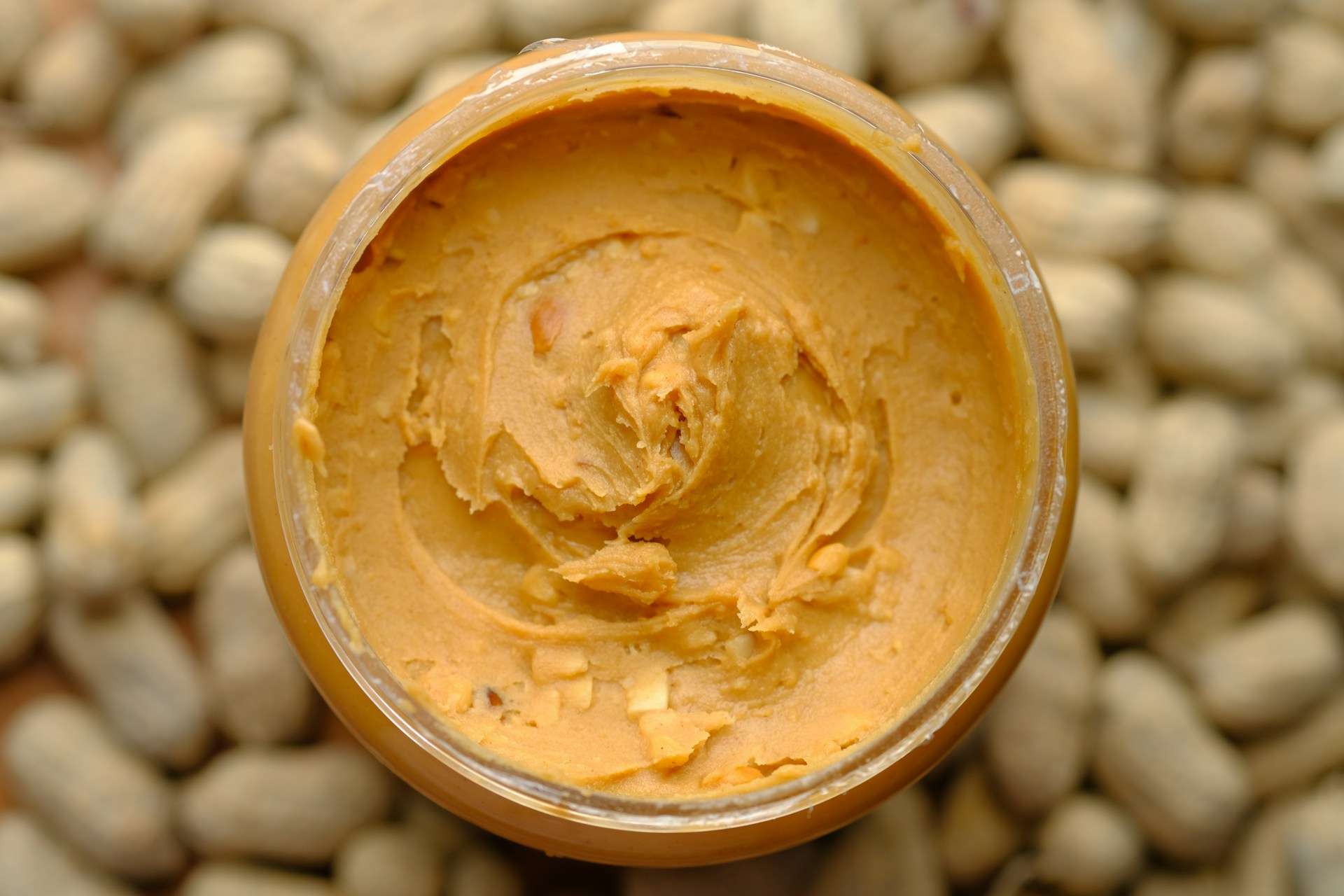
According to research, peanut butter, tea, and meat are some of the unassuming foods that can increase PFAS ‘forever chemicals’ in the body.
While studies previously tested food for these toxic substances, experts haven’t ever been quite sure how much it makes its way into our systems and stays there.
For the new research paper, scientists tracked over 700 participants over four years — studying exactly while they ate and taking regular blood samples.
They described the results as ‘really interesting.’
Beverages and food usually considered relatively healthy, like bottled water, pork chops, and green tea, have all been linked to higher levels of PFAS.
Conversely, in contrast to other research findings, tap water, fries, and added sugar weren’t found to increase the risk.
PFAS, or per- and polyfluoroalkyl substances, are man-made chemicals used to make products water, heat, and stain-resistant.
They are called ‘forever chemicals’ because they don’t break down naturally and are linked to numerous lasting health issues, including several cancer types, thyroid issues, hormone disruption, kidney disease, congenital disabilities, and liver damage.
The study examined two groups of people with over 700 participants.
The researchers examined what one group ate and the PFAS levels contained in their blood over four years. They took blood samples at the beginning and then three and four years after.
Additionally, they examined fast food and found fajitas, tacos, burritos, pizza, and French fries cooked at home were associated with lower concentrations of PFAS. At the same time, those who ate the same dishes from a restaurant had higher levels of PFAS in their blood.
A diet that led to lower levels of PFAS
• Sugar
• Soda
• Home-cooked food
• Seeds and nuts
• Domestic tap water
• Fruit
• Fruit drinks
• Pastas
• Breads
• Some vegetables — including potatoes
• Cooked grains like oatmeal and rice
A diet that led to higher levels of PFAS
• Tea (unsweetened and sweetened)
• Food cooked in restaurants
• Pork
• Seed and nut butters
• Sports drinks
• Snack chips
• Bottled water
University of Southern California doctoral student and the lead author of the study, Hailey Hampson, told The Guardian: “It’s really interesting to find that these foods that are maybe not so healthy, when they’re cooked at home, were a lower source of PFAS, and that definitely points to food packaging.”
Research has also found that butter is likely to increase PFAS concentrations. Consuming nuts was linked to decreased levels of forever chemicals in the blood. However, nut butter showed increased levels.
The study said, “Given that nut and seed butters are packed in grease-resistant containers, it is possible that nut and seed butters may contribute to greater PFAS exposures through the packaging materials rather than the nuts and seeds themselves.”
Higher levels of PFAS linked to drinking more bottled water could also imply some contamination due to packaging or a contaminated water source.
In the meantime, domestic tap water was linked with lower concentrations of PFAS levels.
This contrasts with recent EPA data that found more than 70 million Americans reside in homes with tap water laced with PFAS.
Researchers theorized high PFAS levels in tea mainly originate from tea bags treated with forever chemicals, although they said additional research is needed.
Eating processed meat lots was also seen to increase PFAS blood levels. Hampson said it was unsurprising that processing allows several entry points for forever chemicals.
However, non-processed pork cuts also showed a solid link to increased PFAS blood levels, suggesting that pigs might be contaminated.
Individuals who consumed one more serving of hot dogs than others had a 25.4 percent higher PFNA blood concentration.
PFNA, also known as perfluorononanoic acid, is a synthetic chemical that produces stain-repellent and non-stick coatings.
One additional serving of processed meat was associated with a 9.8 percent higher PFOA concentration.
Perfluorooctanoic acid (PFOA) is an additional artificial substance that creates products resistant to grease, water, stains, and soil.
To the researchers’ surprise, participants who ate increased levels of fruit drinks, sugar, and soda tended to show decreased levels of PFAS in their blood.
They suggested young adults drink more fruit drinks and soda, which may be less contaminated with PFAS than bottled or tap water.
Cooked grains like oatmeal, pasta, rice, bread, and some vegetables, including potatoes, were also linked to PFAS concentrations. This is believed to be because these foods have increased levels of fiber, and fiber can reduce PFAS concentrations by increasing the rate at which PFAS is disposed of in the body.
“Our results highlight the need for public monitoring of beverages, processed meats, and food packaging containers, in addition to other well-known sources of PFAS,” concluded the study.






