














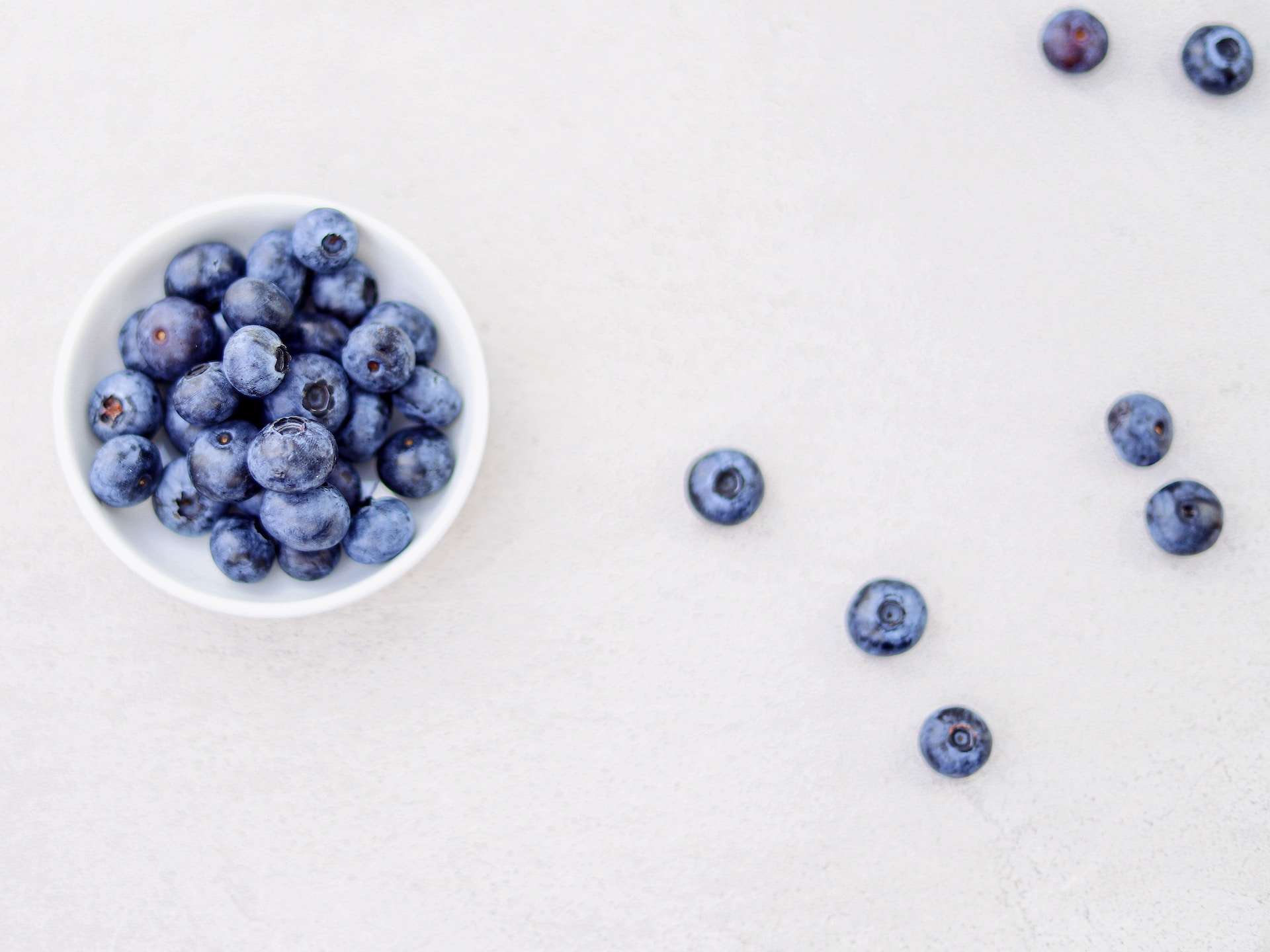
Dieticians advise diabetes patients to choose blueberries instead of different fruits. An expert on diet specializing in diabetes care said the little blue snacks are preferable because of the low risk of including a possible dangerous fruit spike.
Around 30 million Americans have type 2 diabetes — where the body fails to produce amounts of hormone insulin that are sufficient and help convert sugars into food and energy. The disease causes the build-up of glucose in the bloodstream, leading to a spike in blood sugar over time and resulting in a host of severe complications, including heart problems and infected wounds.
Diabetes dietician at the University of Maryland Charles Regional Medical Center, Jocelyne Loran, revealed why she recommends a cup of blueberries to her patients with diabetes or who are at an increased risk.
First, Loran says blood sugar spikes due to high fiber content — slowing the release of fruit sugars into the bloodstream — can be warded off. One cup of blueberries contains around 3.6 grams of fiber compared to a banana, containing 3.1 grams.
Furthermore, Loren says the risk of weight gain is low in more significant proportions, unlike other fruits, because of low calories. One cup contains only 84 calories, with a cup of banana having 105.
Studies have found eating a low-calorie diet, resulting in significant weight loss, can put the disease into remission.
Blueberries are also loaded with several nutrients that support aspects of health. These include vitamins K and C, fiber, and manganese. Manganese is a trace mineral that helps the body to form bones and connective tissue and aids in blood clotting.
A 2024 Food, Production, Processing and Nutrition journal review suggested the plant compound polyphenols in blueberries can improve blood sugar and slash the risk for diabetes.
Loran suggests frozen, fresh, or canned blueberries are all equal nutritionally, but canned varieties are likely to have syrup, which usually contains added sugar.
“Look for those canned in light syrup and rinse the berries in a colander under water before consuming…to decrease the added sugar content,” said Loran.
Smaller portions should also be considered
Although you may still eat your favorite foods, you might need to consume smaller portions or enjoy them less frequently. Your physicians and healthcare team can help you create a diabetes meal plan that meets your likes and needs.
The key to diabetic eating is to eat a wide variety of healthy foods from all food groups in amounts outlined by your meal plan.
Some fruits and vegetables could include Non-starchy vegetables — carrots, peppers, broccoli, greens, tomatoes. Starchy vegetables — Corn, green peas, potatoes. Fruits — melons, grapes, oranges, berries, bananas, and apples.
Drinks and foods to limit include fried foods and foods high in trans and saturated fat. Foods high in sodium (salt). Beverages with added sugars — regular soda, regular energy or sports drinks, and juice. Sweets, including candy, ice cream, and baked goods.
Instead of drinking sweetened beverages, drink water. Consider using a sugar substitute in your tea or coffee.
If you choose to drink alcohol, drink in moderation — no more than a drink per day if you are female and two drinks per day if you are a male. If you use diabetes or insulin medicines that increase the levels of insulin, your body makes, alcohol can make your blood glucose levels drop too low. This is true if you haven’t eaten in a long while. It is recommended to eat food when you choose to drink alcohol,






