














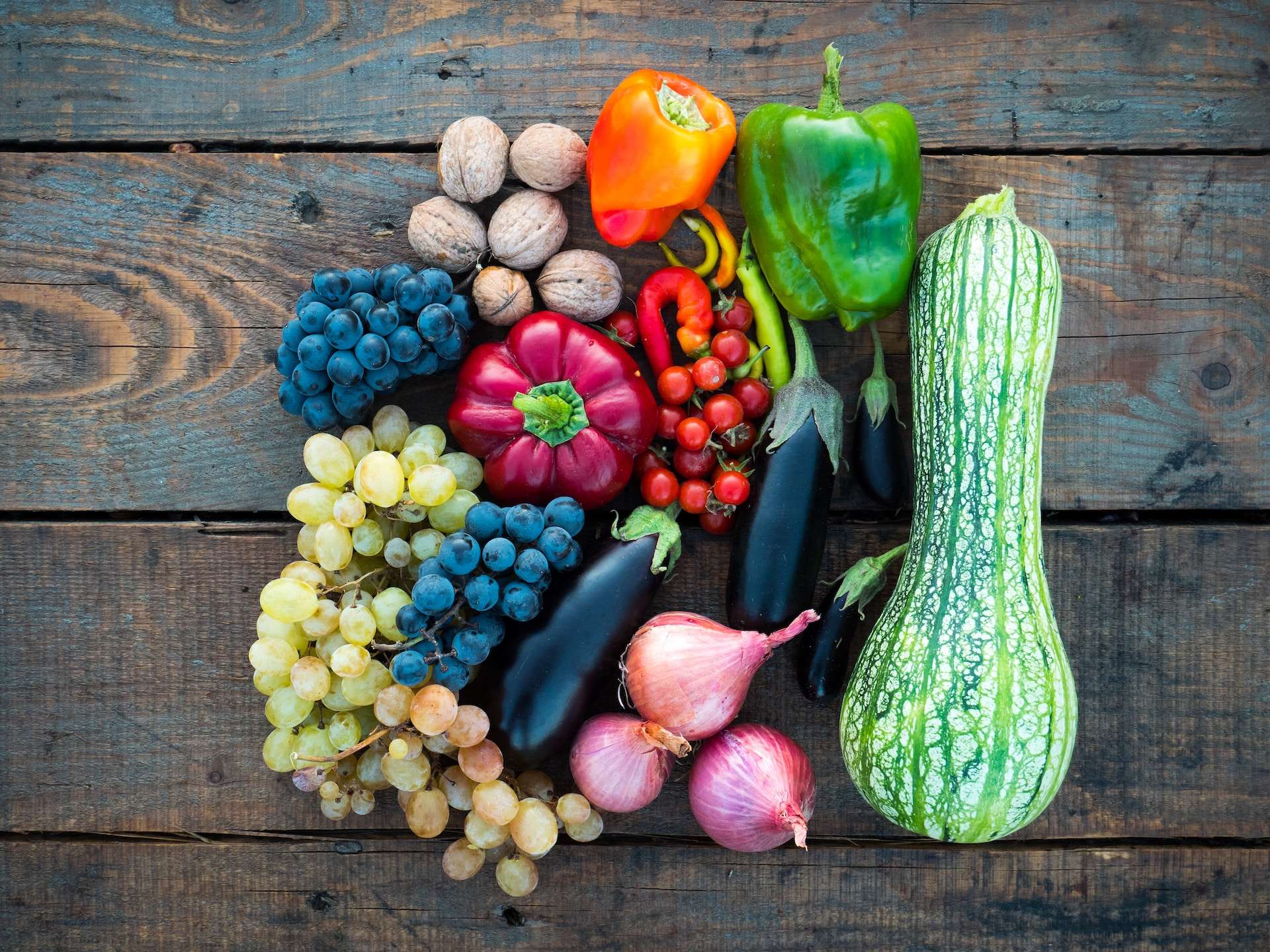
You are probably aware that specific foods can help with vision. Have you ever heard of eating carrots for your eye health? However, nutrition also can affect your hearing. Here is a list of nutrients and foods that can help improve your hearing, along with foods that can have a negative effect.
Consume more of these:
- Omega 3s, can be found in many types of fish (notably salmon), flax, walnuts, and chia seeds. A 2014 study showed that regular fish consumption (2 or more servings per week) was associated with a lower risk for women with hearing loss.
- Vitamin B12, contained in poultry, eggs, meat, dairy products, and other foods derived from animals. Strict vegans and vegetarians are at a high risk for developing a deficiency of B12, which can affect your balance, along with other things. This is particularly important for those of you with Balance Disorder and Tinnitus.
- Magnesium, is included in vegetables and fruit, like artichokes, spinach, bananas, potatoes, broccoli, and tomatoes. Magnesium helps counter free radicals and acts as a protective barrier for the inner ear’s delicate hair cells. Researchers at the Univerisity of Michigan found this nutrient, along with Vitamins A, C, and D, help block the creation of free radicals, preventing noise-inducing hearing loss.
- Zinc, is found in foods rich in protein including grass-fed beef, oysters, pumpkin seeds, cashews, spinach, tahini, almonds, and dark chocolate. Zinc has been shown to improve sudden sensorineural hearing loss (SSNHL) — an unexplained, sudden loss of hearing. Zinc boosts the body’s immune system and is additionally responsible for cell healing and growth, so it is possibly helpful in keeping ear infections at bay. Some studies suggest it is also effective in treating cases of Tinnitus in people with normal hearing.
- Folic acid/Folate/Vitamin B9, found in bok choy, asparagus, spinach, romaine, broccoli, turnip greens, and beans (particularly garbanzo beans and lentils). Folate has been shown to improve age-related or sudden hearing loss, and Tinnitus, although further testing is needed. Folate also helps increase circulation and improve blood flow to the inner ear.
- Potassium, found in potatoes, bananas, lima beans, spinach, apricots, tomatoes, raisins, oranges, melons, low-fat milk, and yogurt. Potassium regulates the amount of fluid in body tissue and blood. That is crucial to hearing health because the fluid in the inner ear is dependent on a rich supply of potassium, particularly in the part of the ear that translates the noises we hear into electrical impulses interpreted as sound by the brain, especially in the part of the ear that translates noises into electrical impulses the brain interprets as sound.
Studies show a deficiency in nutrients, including folic acid and B12, can impair hearing by as much as 39%, while increasing the nutrients can protect hearing by up to 20%. Deficiency in folic acid has specifically been linked with high-frequency hearing loss. Much of the damage is because of free radicals. Antioxidants like folic acid, Omega 3s, B12, and vitamin A are essential because they help fight against damaging free radicals.
Consume less or avoid altogether:
- Vegetable oils, contain too many Omega 6 fatty acids. Instead, use Canola oil or EVOO, rich in Omega 3s.
- High-fat meats, especially those treated with nitrites/nitrates (preservatives).
- Cream cheese, replace with part-skim organic ricotta or goat cheese.
- 2%/whole milk, use a dairy substitute like rice, coconut, or almond milk.
- Partially hydrogenated oils/margarine, found chiefly in highly processed foods.
- Artificial sweeteners and sugar, limit or replace these with honey, real maple syrup, or Stevia.
- Sodium: we need sodium in small quantities, but you should keep a higher potassium ratio to sodium. Processed and packaged foods have far too much sodium.
- Pesticides/chemicals, Wash your produce! Purchase organic when you can. Eliminate as many pesticides and chemicals from your diet.
- Processed cheeses, including American, Choose grass-fed/organic hard cheeses.
- Refined carbohydrates include pasta, white bread, and other foods containing “enriched” flour, meaning nutrients have been removed from the grain.
As a rule for foods to avoid, eat as close to how it was meant to be eaten. Food does not grow in a box, so don’t buy it in one. Use herbs instead of creams and heavy sauces for added flavor.






