














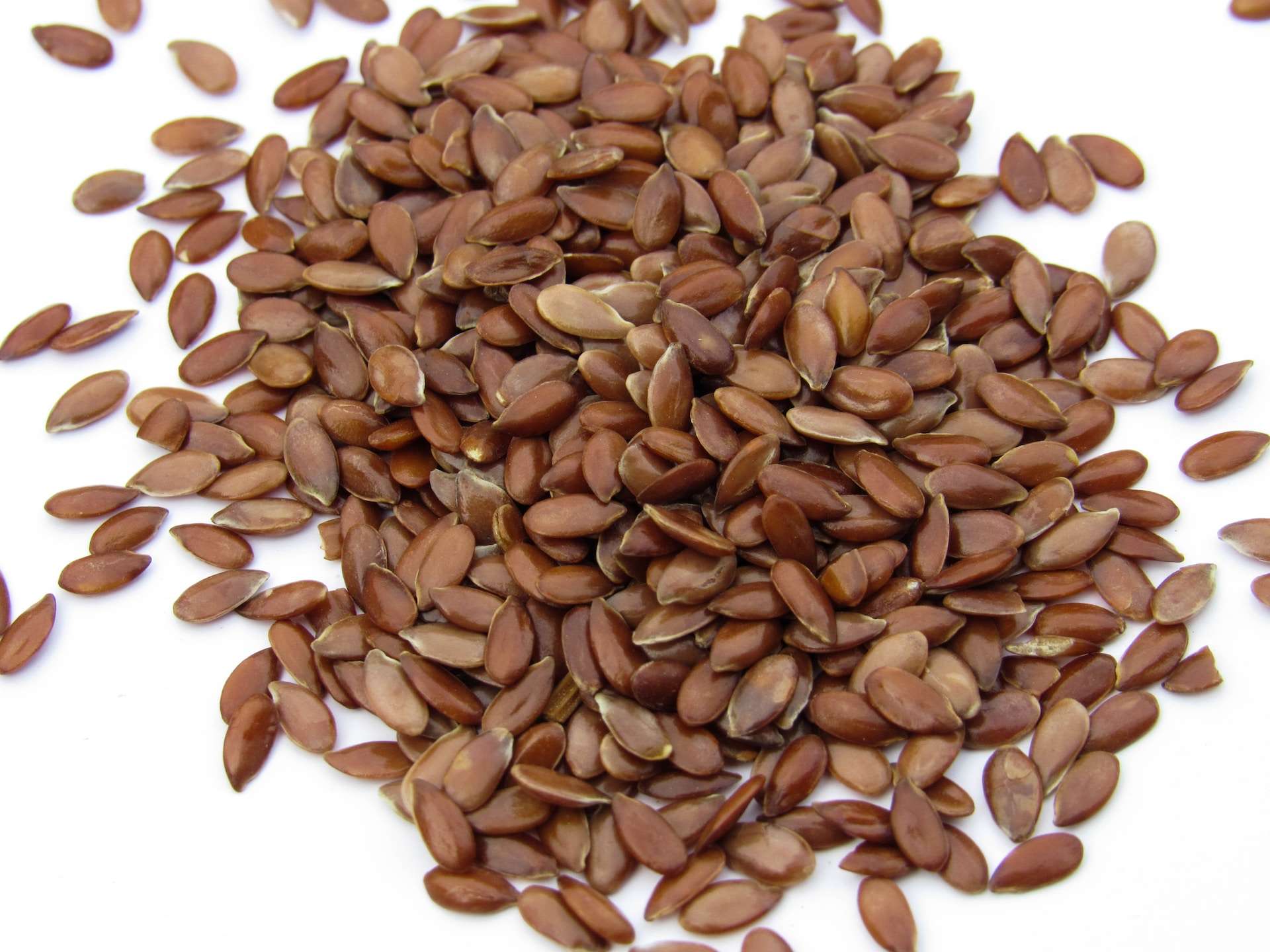
If you’ve noticed, lately, flaxseeds have been getting more attention. You can thank TikTok for shining the light on the now-trendy mighty seed. Users have claimed that the flaxseed gel applied to the face is “the same as Botox.”
However, social media trends aside, flaxseeds have been a food dieticians encourage for a long time as part of a healthy diet. Whether there is merit to the latest trend, there are several reasons why they should be included in your daily diet.
The miniature seeds have several beneficial nutrients, all in one tiny package. Flaxseeds serve many health benefits with protein, vitamins and minerals, healthy fats, and fiber. They also contain lignans, an estrogen-like compound that positively influences female hormones. In addition, flaxseeds add a crunchy, nutty flavor to any meal, with another boost of nutrition.
Learn flaxseed nutritional facts, the health benefits of eating these mighty but small seeds, and simple ways to include them in your diet.
Nutrition facts about flaxseed
Two tablespoons of flaxseed contain:
• 110 calories
• 4 grams protein
• 9 grams fat
• 6 grams carbohydrates
• 6 grams of fiber (21% of the daily value (DV))
• 80 milligrams of magnesium (19% DV)
• six mcg of selenium (11% DV)
• 0.4 milligrams thiamin (33% DV)
Benefits of flaxseeds
Flaxseeds are tiny but have a robust nutritional profile. A review in 2019 stated the “good” unsaturated omega-3 in flaxseeds acts as an antioxidant and is the reason the seeds are healthy.
The most promising research is in cancer management and cardiovascular disease.
To be specific, a meta-analysis of more than 30 studies found that supplementing the diet with a variety of flaxseed products is an effective way to lower both systolic and diastolic blood pressure, reducing the risk of cardiovascular disease. An additional study had people with high triglycerides or high cholesterol supplementing 30 grams (around ¼ cup) of flaxseed powder for three months. At the end of the three months, participants had lower LDL (bad) cholesterol levels, higher HDL (good) cholesterol, and lower triglycerides. The authors attribute the results to healthy fats in flaxseeds and dietary lignans, a class of phytoestrogens (plant-based estrogen-like compounds) with antioxidant properties.
Since flaxseeds are essential in fighting inflammation, they have been examined in cancer research. Studies among animals suggest omega-3s might suppress cancer cells’ size, expansion, and growth.
Additionally, the lignans in flaxseeds may influence breast cancer therapy. Lignans have a chemical structure similar to that of a molecule of estrogen. Some breast cancers contain estrogen receptors.
Lignans from flaxseeds bind to the receptors and decrease the growth of cancer cells.
Finally, the fiber in flaxseeds could contribute to digestive health, including creating a diverse and healthy microbiome and treating constipation. Fiber also helps stabilize blood sugar levels, which is crucial for those with diabetes.
Is flaxseed beneficial to weight loss?
Foods that are fiber-rich and rich in healthy fats and protein, like flaxseeds, contribute to satiety and regulation of hunger, making them a good choice for weight loss. In a meta-analysis of 45 studies, eating flaxseeds as part of a healthy diet decreased waist size and weight. Research also indicated that consuming over 30 grams (1/4 cup) for over 12 weeks positively impacts body composition.
Do flaxseeds reduce belly fat?
It’s a common nutrition myth that any specific food can reduce fat in the belly. It is impossible to target fat loss to a particular body area specifically.
When you lose weight, you can see a reduction in the size of several body areas, including your legs, belly, arms, or chest. While flaxseeds could contribute to weight loss, they won’t magically melt belly fat.
How much flaxseed per day is ideal?
Flaxseeds have no standard serving size, although most packages recommend two to three tablespoons (around 1 ounce) per serving. The USDA counts 1/2-ounce of seeds as a 1-ounce equal of protein. Most individuals require a minimum of 5-6 ounces per day.
Should flaxseed be eaten at night or in the morning?
There is no research on the best time of day to eat flaxseeds, so incorporate them into your diet whenever you would like. The best time to eat them is a time that works for you! Some people like to sprinkle them into a smoothie or their morning oatmeal or, at lunchtime, in their grain bowl or salad.
Who shouldn’t eat flaxseeds?
Flaxseeds are safe for most healthy individuals. Because of their high fiber content, overeating them could cause bloating and gas. If this concerns you, stick to the 2 to 3 tablespoon recommendation.
Although flaxseed lignans benefit women’s health, some people with hormonal conditions or breast cancer may worry about eating flaxseeds. If that is the case, talk to your physician about including them in your diet.
Are there any benefits to using flaxseeds in your skincare routine?
You might have seen the TikTok claims that a flaxseed water gel is “the same as Botox.” Flaxseeds contain vitamin E and healthy fats, two nutrients beneficial to the skin when ingested. However, applying flaxseed to the face is not the same as eating it and certainly isn’t the same as Botox. If you want the beneficial rewards for your skin, add them to your diet.






