














Getting additional omega-3 fatty acids through the addition of supplements or changes to your diet may help protect your hearing as you age.
The claims come from a new study presented in NUTRITION 2023, presented Monday at the annual meeting of the American Society for Nutrition. Although the research is still considered preliminary, it adds to an already lengthy list of evidence suggesting eating omega-3 — a nutrient found in seeds, fish, and nuts — that may contribute to improved hearing later in life.
“With about 1.57 billion people experiencing hearing loss and an aging population globally, the role of omega-3 fatty acids, especially DHA, in maintaining a healthy, functional auditory system is an important research question,” Michael McBurney, Ph.D., FCNS-SCN, FASN, senior scientist at the Fatty Acid Research Institute and presenting study author, told Health.
Read on to see what experts say people should know about the research, how to incorporate more into your diet, and why omega-3 is essential.
How can dietary adjustments benefit your auditory system as you age?
For the new study, which has yet to be published in a peer-reviewed journal, researchers investigated data from over 100,000 people aged 40-69. Participants were all enrolled in a substantial biomedical database containing information on half a million residents of the U.K., the U.K. Biobank.
Participants in the study were asked two questions:
• Do you have difficulty following conversations with noise in the background?
• Do you have a hard time hearing?
Researchers have additionally analyzed blood samples from the study participants to check their DHA levels and essential fats that support eye, heart, and brain health. It is adjusted for risk factors known to affect hearing loss, including sex and age, said McBurney.
Findings showed people with the highest levels of DHA in their blood were 16% less likely to say they had difficulty following conversations with background noise. Altogether, older and middle-aged adults with higher levels of DHA were 8-20% less likely to have had age-related hearing issues.
The study was limited by the fact that researchers depended on self-reported data, typically considered less accurate than non-objective measurements gathered by researchers, to come to their conclusions.
While the ties between good hearing and higher DHA levels were strong, said McBurney, the new study doesn’t definitively prove anything.
“This study does not prove low DHA in plasma, or any tissue causes hearing loss,” explained McBurney, adding more research is necessary to determine further omega-3’s role in preventing hearing loss related to aging.
The new study isn’t the first to establish a connection between hearing Health and omega-3.
“Epidemiologic studies have reported inverse associations of fish and omega-3 consumption with hearing loss in humans,” explained McBurney. He cited a study published in the American Journal of Clinical Nutrition in 2014, which found that consuming two or more servings of fish was associated with a decreased risk of hearing loss in women. Fish contains high levels of omega-3.
Although the research is still in its early stages, experts theorize why better hearing is tied to higher omega-3 intake. “The idea is that things that are good for you vascularly are good for hearing health as well,” said an otolaryngologist at NYU Langone David Friedmann, MD, told Health. He was not involved in the new research.
Vascular Health is related to the body’s circulatory or blood vessel systems. Omega-3 has specific plaque-fighting abilities, said Friedmann — which means it can help reduce the buildup of arterial fatty substances.
The inner ear is reliant on blood flow from the labyrinthine artery. Friedmann said if there is a buildup of plaque in that artery, it could contribute to hearing loss. He added that by reducing the amount of plaque in the arteries, omega-3 could help reduce the risk of hearing loss.
How can you incorporate more omega-3s into your diet
Consuming enough omega-3s isn’t just crucial for hearing. They additionally contribute to better heart health, eye health, and cognitive function. Eating enough omega-3s throughout pregnancy could also benefit infant development and Health, suggest studies.
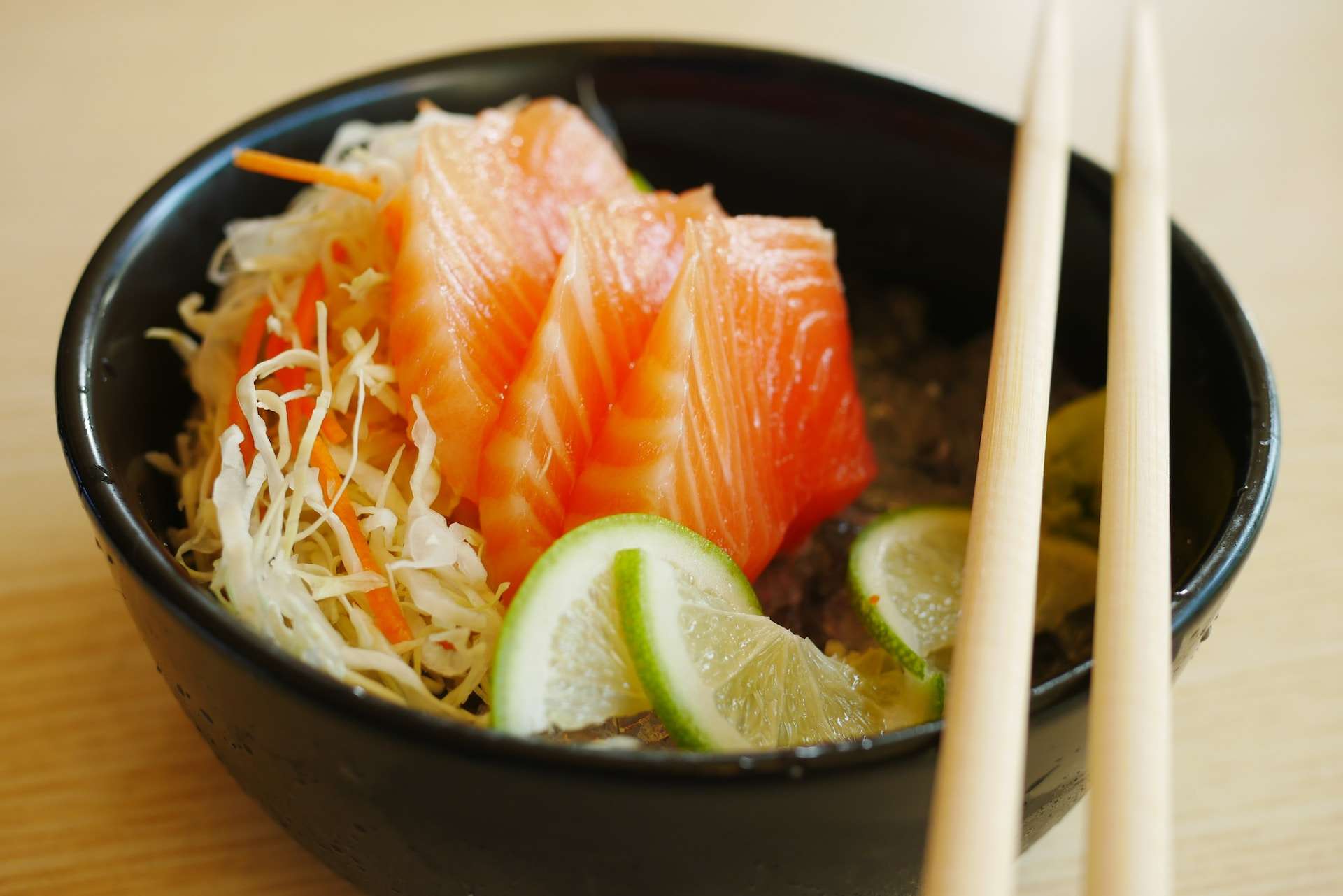
Although omega-3 supplements exist, most nutrients should come from drink and food. You can add additional omega-3s to your diet by eating more cold-water fatty fish, including mackerel, herring, salmon, tuna, and sardines; seeds and nuts like chia seeds, walnuts, and flaxseed; plant oils, including soybean oil, canola oil, and flaxseed oil; fortified foods including certain brands of milk, eggs, yogurt, soy beverages, and juices.
Additional ways to protect your hearing
Dr. Friedmann said to consider how much noise you’re around regularly to protect your future hearing. Friedmann explained that occupational exposures like being exposed to loud sounds or music, working in a military position, or repeatedly being exposed to the sound of gunfire can eventually cause loss of hearing.
Everyday occurrences, like listening often to the radio at high volumes, could also contribute. “It’s the intensity, but also the duration,” explained Dr. Friedmann. “The louder the sound, the shorter the duration the inner ear will tolerate before you start to see damage.”
Aside from incorporating additional omega-3s in your diet, it would help to remain mindful of how many loud noises you expose yourself to regularly. You should wear protection for your hearing; take breaks from unavoidable noisy activities; avoid activities that are too when you’re able to; keep the volume of your headset turned down to guard against hearing loss, explained the Centers for Disease Control and Prevention (CDC).
Friedmann said that taking these little steps now could go a long way to keep you healthier as you age. “Hearing loss, like many things, is a mixture of genetic and environmental exposures,” the doctor explained. “You can’t do much about your genetics, but the environmental exposures could be positively impacted.”






