














An Avocado A Day Is Linked to Better Diet — and Here’s Why
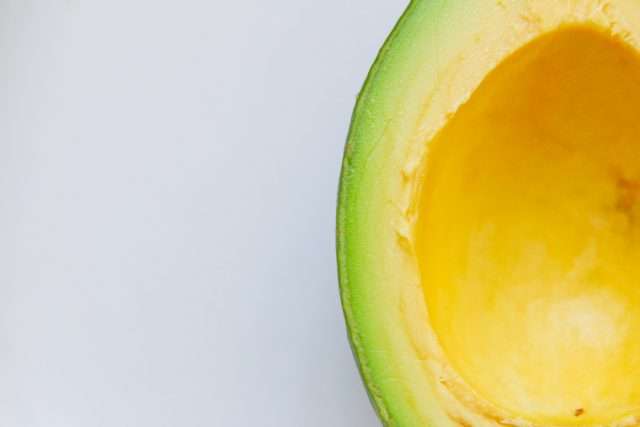
•Consumption of avocados did not affect participants’ belly fat and weight, but it did help people reduce their sodium intake and eat more healthy fats, among other health benefits. •Experts suggest adding avocados to desserts, salads, smoothies, sandwiches, and other foods that people want to increase their consumption of. •Researchers found that eating whole avocados daily is associated with a better...
Scientists Discover Missing Link Between Cancer and Junk Food

Scientists believe they have uncovered a missing link between how consuming junk food increases the risk of developing cancer. A Singapore study looked at the effect of methylglyoxal, a compound produced when the body breaks down fatty and sugary foods, on a gene that helps fight off tumors. Academics found that methylglyoxal temporarily shut off the BRCA2 gene’s ability to...
Finding the Fountain of Youth in Your Kitchen

No one knows for sure whether or not Juan Ponce de León was really after the so-called "Fountain of Youth," when he set sail for the island of Bimini - an uncharted land in what we now know as the Bahamas. Eventually, this rugged explorer landed in Florida and made his claim for the Spanish Crown. It has been recently disputed...
6 Delicious Ways to Up Your Magnesium Intake Naturally

Magnesium is a crucial mineral we need to regulate our heartbeat, digestion, mood, stabilize our blood sugar, and care for our bones. It’s also one of the quickest minerals to be depleted in the body during times of stress, which means it’s important that we consistently eat enough sources of magnesium. While you can take a magnesium supplement, it’s smarter to...
FDA Allows Labels on Yogurt to Claim Snack Could Reduce Diabetes Risk — Despite Many Being Loaded with Sugar

Manufacturers of yogurt in the United States can now claim on their product labels their snacks may help reduce the risk of Type 2 Diabetes. According to the FDA, there was some evidence—but not a consensus—that eating two cups of yogurt weekly is linked to lower rates of diabetes. However, campaigners warn the ruling is based on flimsy evidence and would...
4 Ingredients That Will Flush Your Kidneys

The health world is usually focused on the heart, lungs and skin the most, but kidney health is equally as important. Your kidneys are essential to your overall health as they are responsible for removing waste from the body, balancing minerals, regulating water and producing hormones. Since your body needs a specific amount of water to function correctly, the...
5 Food Groups That Are Easier to Digest & Foods to Avoid
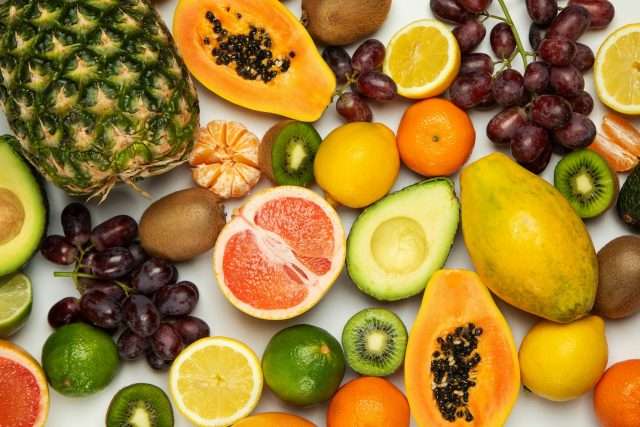
If you have ever endured a bad case of food poisoning, you probably already know choosing easy-to-digest, simple foods like plain crackers can help suppress indigestion symptoms. The most straightforward foods to digest are low in fat and dietary fiber. They’re also milder in flavor, typically lacking heat and acidity. Foods that are easy to chew and swallow and soft...
Peaches and Kale Make The ‘Dirty Dozen’ List of Produce with the Most Pesticides

The annual Environmental Working Group analysis identifies the ‘Dirty Dozen’ and ‘Clean Fifteen’ choices with the most and least pesticide residue. The new report said government lab tests have identified pesticides in a wide range of nonorganic produce, including almost all nonorganic peaches, strawberries, grapes, spinach, and leafy greens like kale. According to the report of the vegetables and fruits that...
12 Foods That Help Prevent Alzheimer’s And Dementia (And 5 To Avoid)

Just as what you eat can affect your heart, a growing body of research shows it’s just as important for your brain health. For example, a recent study by researchers at Rush niversity Medical Center in Chicago shows the MIND diet—a plan they created—could lower the chances of developing Alzheimer’s disease by as much as 53 percent. That’s significant considering the...
Study Links Alzheimer’s, Diet, and Diabetes

A new study explores the connections on a molecular level between Alzheimer’s and Type 2 diabetes, supporting the notion of Alzheimer’s as “Type 3 diabetes.” The research found that a diet high in fat suppresses an essential gut protein, Jak3, which leads to Alzheimer’s-like changes in the brain in mice. It emphasizes the importance of managing diabetes and avoiding it...


