














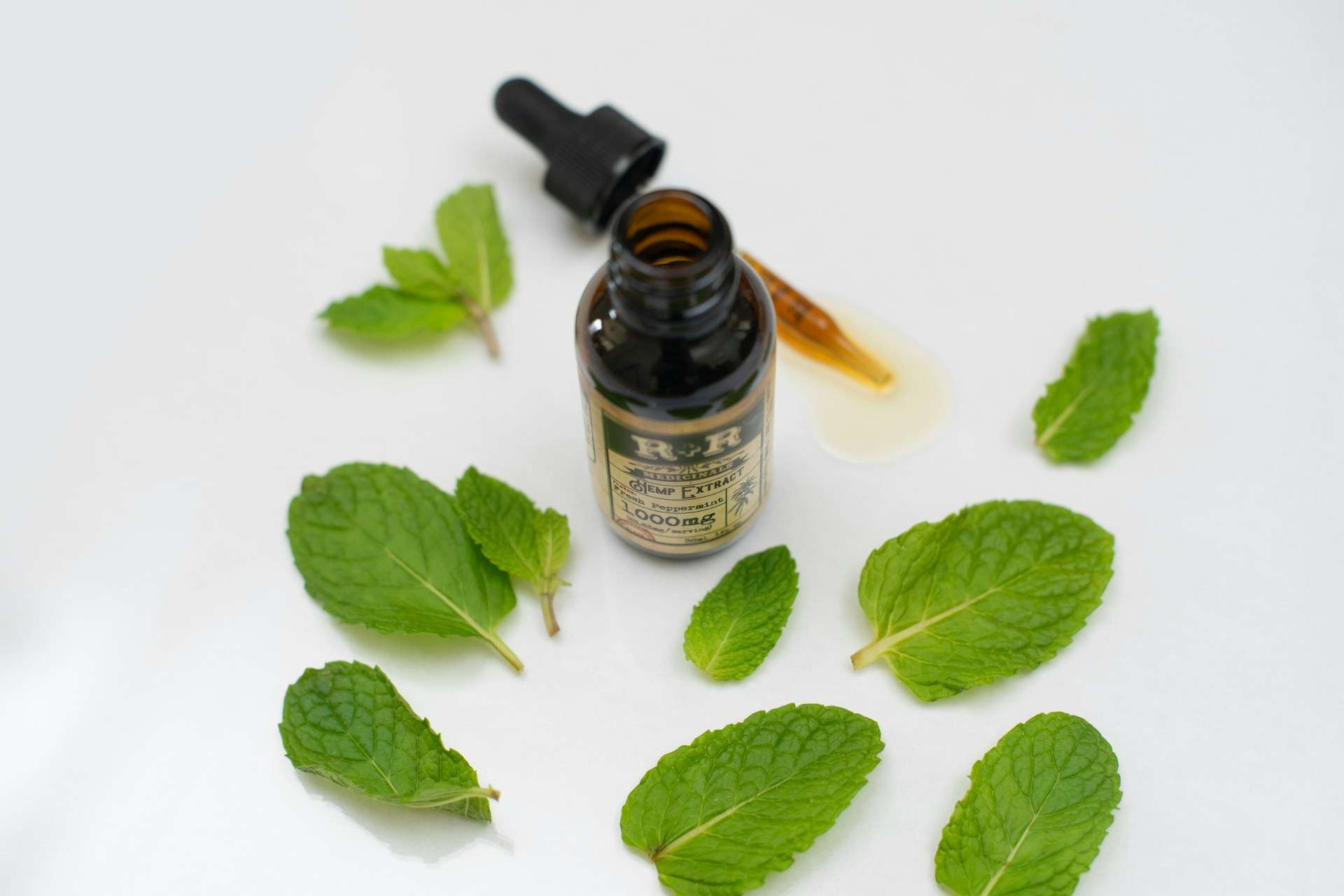
There are numerous ways to manage, cure, or relieve pain. They include herbal remedies, essential oils, and other alternative and complementary therapies.
For centuries, people have used herbs, alternative therapies, and essential oils as natural pain relievers. Researchers haven’t fully explored these options, but some evidence is suggestive that specific remedies can help, and many people find them useful.
We’ll discuss 12 natural relievers of pain and the science behind them. Keep reading to learn how pain can be managed naturally without purchasing pain medication over the counter.
Eucalyptus essential oil
One essential oil on the list as a natural way to relieve pain is eucalyptus oil. This herbal remedy from the eucalyptus plant may help to reduce pain, inflammation, and swelling in the body.
In a 2022 study, it was found inhaling eucalyptus oil relieved pain, increasing the quality of life for people with rheumatoid arthritis. Participants inhaled eucalyptus oil three times per day for five minutes for one month.
A person shouldn’t use eucalyptus oil near children. It is toxic and can trigger decreased respiration if swallowed. It must be diluted in a carrier oil, and a skin test must be done before applying topically.
Lavender essential oil
Lavender essential oil can help relieve pain naturally. A 2023 study by Trusted Source found that inhaling lavender oil or topically applying it to the skin significantly decreased pain severity experienced by individuals with needles inserted in their arteries.
Some research suggests lavender oil has anti-inflammatory, pain-relieving, and antioxidant effects in animals.
People should discuss the use of new essential oils with a qualified healthcare professional before using them. They should also be careful not to ingest them, as they can be toxic. If oil is applied topically, it should always be diluted in carrier oil. You should always discuss any new essential oils with a qualified healthcare professional.
Cloves
Individuals have traditionally used cloves from the plant Eugenia caryophyllata as a home remedy to relieve toothache.
A 2021 study found clove oil was comparable to pain reduction in children, as is ice during intraoral injection. It was additionally found to be more potent than lignocaine gel, a local anesthetic.
Researchers also believe cloves can have anti-inflammatory, antioxidant, antifungal, and antiviral properties.
Ginger
Ginger, also known as zingiber officinale, is a promising root as a natural pain reliever.
A 2017 study found ginger powder was as effective as ibuprofen in reducing postoperative pain. An earlier systematic review in 2015 also found that ingesting 2 grams of ginger daily reduced muscle pain modestly from running and resistance exercise when people took it for at least five days.
Researchers also suggest ginger may reduce inflammation and accelerate recovery related to exercise. An individual could try to include ginger in the daily diet by using supplements or adding it raw to smoothies. However, consuming fresh, natural ingredients could be healthier.
Before taking any new supplements, you should always discuss this with a qualified professional healthcare provider. Dietary supplements can have side effects and may interact with existing medication.
Rosemary essential oil
Rosemary is another essential oil that can relieve pain.
Some researchers state the rosemary plant, Rosmarinus officinalis L., can help treat muscle and bone pain, headaches, and seizures. Rosemary can also reduce pain in people experiencing opium withdrawal, relaxing smooth muscles, reducing inflammation, and boosting memory.
A more recent review concludes that rosemary oil can be beneficial in the treatment of epilepsy, anxiety, Parkinson’s disease, depression, and Alzheimer’s disease. People should dilute essential oils in a carrier oil like olive oil. Three to five drops of essential oils should be added to each carrier oil ounce.
Peppermint essential oil
Peppermint oil originates from the mentha piperita L. plant.
Some research suggests the peppermint plant has antimicrobial, anti-inflammatory, and pain-relieving effects. Active compounds in peppermint oil include menthol, limonene, and carvacrol.
A review in 2015 notes people have traditionally used peppermint to relieve painful problems and spasms associated with arthritis. Researchers also report applying peppermint oil to the forehead and temples could relieve pain from tension headaches.
People frequently use diluted peppermint essential oil as a topical treatment, meaning they rub diluted oil into the painful or achy area.
People should avoid putting peppermint oil on broken skin or using it on children. It can cause allergic reactions, so doing a spot test is recommended.
Turmeric
The active ingredient in the spice turmeric, curcumin, has pain-relieving qualities. A 2021 review claims curcuma shows a reduction in pain, like that of nonsteroidal anti-inflammatory drugs (NSAIDs). However, researchers recommend turmeric as a safe addition to NSAID therapy instead of replacing it.
Turmeric is also a common herbal remedy for the reduction of inflammation. To add turmeric in its natural form to the diet, a person could try to add it to juices, curries, or smoothies.
Yoga
Yoga is a physical meditation practice that can offer a way to manage pain naturally.
Managing back pain frequently includes physical therapy and stretching. This is provided in yoga.
Yoga includes self-care, breathing exercises, and relaxation methods, so practicing yoga could also relieve pain related to anxiety or stress. A 2020 study found that 12 weeks of yoga helped reduce lower back pain significantly.
The National Center for Complementary and Integrative Health (NCCIH) states yoga may help relieve neck and lower back pain. Still, there isn’t enough evidence that it can help with other conditions, like fibromyalgia, headache, or arthritis.
Capsaicin
People also use capsaicin, which is present in chili peppers, for natural pain relief.
A 2020 study notes capsaicin offers high pain relief levels and improves depression, sleep, fatigue, and quality of life.
Another 2021 study found topical capsaicin to be effective in reducing neuropathic pain. Researchers are still not sure why it reduces pain, but it is thought to work by decreasing pain-transmitting chemical amounts from the nerve cells in the area where a person experiences pain.
The substance can cause a mild tingling or burning sensation when a person applies it topically.
Mindful meditation
People experiencing pain chronically are turning increasingly to mindfulness meditation as a natural treatment. Additional research is needed, but initial studies are promising.
A 2017 meta-analysis and systematic review looked at 38 studies and eventually concluded that mindful meditation can improve depression, symptoms, and quality of life. But, the authors say that more extensive studies are needed to determine its effectiveness.
Feverfew
Feverfew, also called bachelor’s buttons and featherfew, is a medicinal plant. Traditional uses include rheumatoid arthritis, fever, migraine headaches, toothaches, stomach issues, and increasing breast milk.
Feverfew contains compounds that may reduce muscle spasms and inflammation. Some researchers believe essential active compounds include flavonoids and sesquiterpene lactones.
The American Migraine Foundation states there are mixed results about the effectiveness of feverfew but that it is probably helpful in preventing migraines.
A study in 2023 concluded that feverfew may have antioxidant, anti-inflammatory, and neuroprotective effects. Feverfew can cause side effects, including digestive problems, bloating, and nausea. So, talking with a qualified healthcare professional before trying feverfew is crucial.
Acupuncture
Acupuncture is an alternative therapy that advocates believe can help in pain reduction. Recent research is supportive of that belief.
The NCCIH states acupuncture can help with specific types of pain, including:
• neck pain
• lower back pain
• knee pain or osteoarthritis
It can also help reduce how often people get tension headaches and could help to prevent migraine headaches.
A meta-analysis in 2018 found acupuncture is an effective way to manage chronic pain. Researchers concluded that acupuncture could help with headaches, pain associated with osteoarthritis, and musculoskeletal pain.
Additional research into the effects of acupuncture for other pain conditions is needed, but increasing evidence suggests acupuncture is effective for several types of pain. Acupuncture might help over 100 different conditions.
Commonly asked questions
Following are some frequently asked questions about natural pain relief.
How can I relieve pain naturally?
Essential oils, including peppermint and lavender oil, can relieve pain naturally. This is also the case for particular herbs, including feverfew and clove. Yoga, acupuncture, and mindfulness meditation are also thought to be natural pain relievers.
What herb is good for inflammation and pain?
Herbs that are possibly good for inflammation and pain include:
• capsaicin
• clove
• curcuma
• feverfew
What is the most rapid home remedy for pain?
Breathing exercises, relaxation techniques, and cold and heat treatment can be home remedies that help alleviate pain quickly.
Summary
When a person takes traditional medication for pain relief as prescribed with guidance from a qualified healthcare professional, it is an effective and safe way to manage pain.
However, natural pain relievers offer an alternative for individuals who want to avoid the long-term side effects of pain relief medication.
People can use essential oils by adding a few drops to a steam bath or tissue and inhaling the vapor. People can also add spices and herbs listed above to food. But, if a person can’t do that, they can take them instead as supplements.
Not every natural pain reliever works for everyone. Some people can find a realistic option that works well for them long-term. Others might not be able to manage pain naturally and may prefer more traditional medication.
Anyone experiencing severe pain, including pain related to a health condition already existing, should speak with a qualified healthcare professional. They can advise how to manage it best.






