














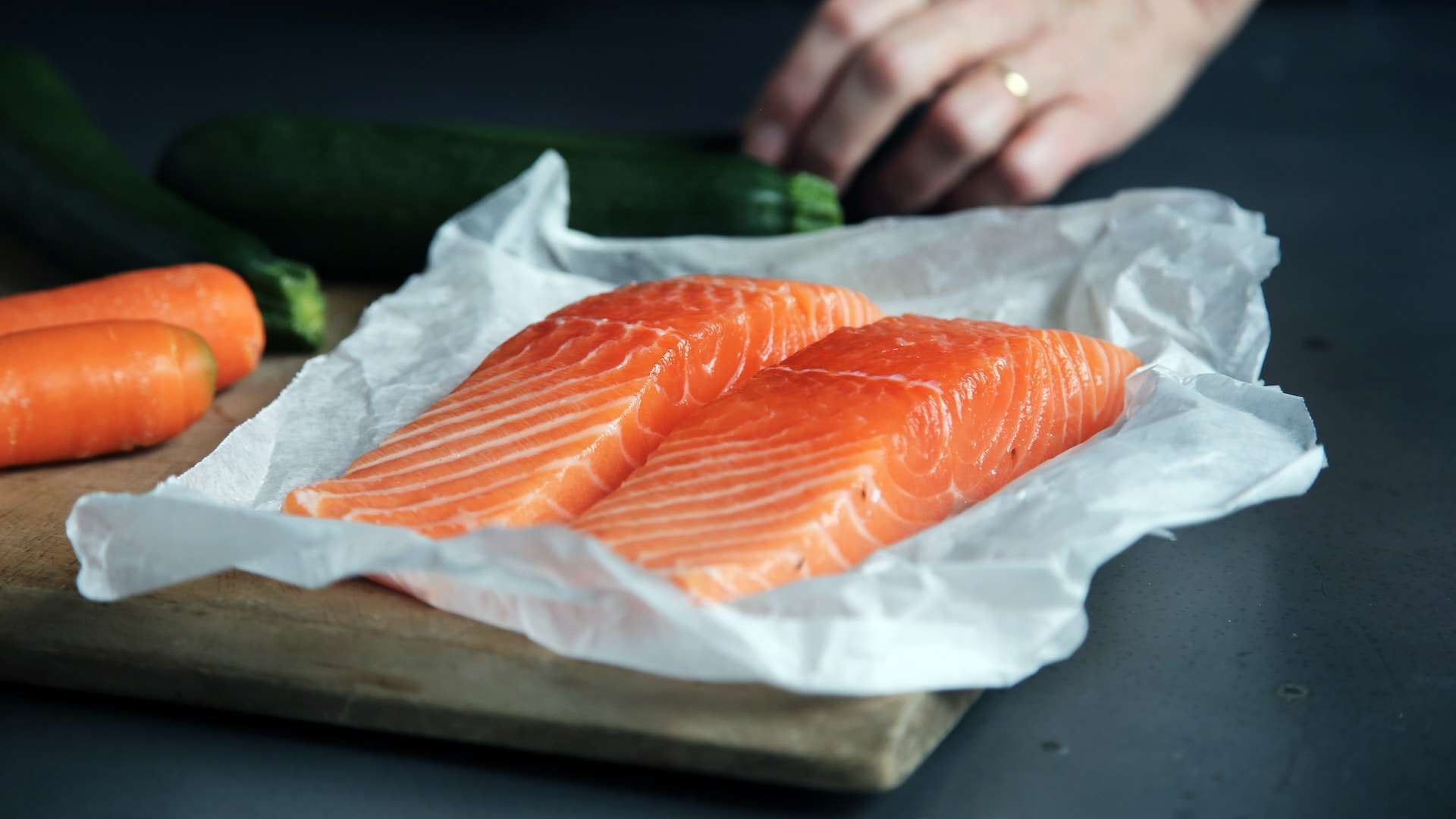
One of the easiest and healthiest ways to elevate the flavor profile of any dish is to utilize fresh herbs, spices, raw oils and citrus juices. I’m not much of a meat eater, but I do enjoy fish — especially salmon. Ocean sustainability is an issue that is near and dear to my heart, so I always pay attention to where my salmon comes from.
Why should you care where your salmon comes from?
Although how fish are caught is important, the very first thing to look for when sourcing salmon is whether or not it was farm-raised or wild caught. As you can imagine, wild salmon roam free, eating a more natural diet. This results in higher concentrations of omega-3 fatty acids. Although the fish are still exposed to PCBs in the environment, they are an optimal choice.
Farm-raised salmon, on the other hand, are fed GMO food pellets. They are also placed in highly stressful situations and exposed to chemical cocktails that reduce their nutritional value. Not only are these farms inhumane, but they significantly threaten local ecosystems and coral reefs. They also increase the risk of disease.
The production of farmed salmon has increased 40-fold over the past two decades, with numerous studies displaying potential adverse effects. After studying more than two metric tons of North American, South American and European salmon, researchers found that PCBs and environmental toxins are in fact higher in farm-raised fish, in comparison to their wild-caught counterparts.
Published in The Journal of Nutrition, of the 14 toxins that researchers tested, 13 were significantly higher in farm-raised Atlantic salmon, in comparison to wild Pacific salmon. They found a higher correlation between toxicity and their chow. This means toxins are believed to be passed on through their feed, in addition to pesticides, growth hormones and antibiotics.
Don’t shy away from salmon — jazz it up
It can be frightening to think about what’s lurking in our environment — and food for that matter. However, when sourcing wild-caught salmon, the benefits far outweigh the potential side effects. Salmon is a quality source of nutrition, offering high concentrations of omega-3 fatty acids, vitamin D, B-complex vitamins, choline, taurine, protein and more.
If you’re bored of the same old baked salmon, why not get a little creative in the kitchen? This recipe will have you coming back for more. Serve it with some fresh vegetables, quinoa or spiced couscous and you have yourself a winning dish. There are plenty of possible combinations, however, I can’t seem to get enough of this rosemary-citrus glaze.
Time to elevate your salmon
Whether you’re baking, barbecuing, searing, roasting or poaching salmon, this fish is highly versatile. I generally cook mine in a pan but feel free to work your magic.
Ingredients
- 1 tbsp olive oil
- 2 salmon fillets — rested to room temperature
- 1/4 cup fresh orange juice
- 1/4 cup fresh lemon juice
- 2 cloves garlic, finely chopped
- 1/2 tsp raw honey
- 2 large sprigs of rosemary, chopped finely
- Salt to taste
- Pepper to taste
Instructions
1. Within a small saucepan, add your citrus juices, garlic, honey and rosemary. Simmer for approximately 5 to 6 minutes before removing from the heat. Once fairly cool, add half a tablespoon of organic olive oil.
2. In a large heated skillet, add remaining olive oil (or any oil of your choice), placing the seasoned fillets skin side down. Use a metal spatula to firmly hold the salmon in place, or else it will likely curl up. Once the skin is crispy (generally after about 4 minutes of cooking), flip and cook for an additional 2 to 3 minutes.
3. Remember, you want the salmon to be cooked, but still delicate and flaky. You’ll be able to see the color change as it cooks through. Once you’re happy with the salmon, transfer to plates and spoon on your glaze. Enjoy!






